
No products in the cart.
Trust
Value
Delivery
Germination G'tee
Genetics
Trust
3,500+ reviews, since 2020. All legit and unedited.
Every single review comes from verified customers who have actually purchased from us. Thank-you so much to our loyal customers for spreading the word over the years.

Value
We offer premium quality at prices that beat the industry norms. Look out for the ‘+ Free Seeds’ stamp so you can try out a different strain with every order. Here is how our pricing stacks up;
$12.50 p/seed (5+1 pack) (6 total)
$10.40 p/seed (10+2 pack) (12 total)
$9 p/seed (20+5 pack) (25 total)
$7.50 p/seed (bulk orders )
Delivery
We discreetly ship from within Australia next business day with an average shipping time of 2-5 days or 1-2 days for express post.
Once paid, you’ll receive your tracking number next business day. You can then track your order from start to finish with no worries about customs confiscation or overseas scams. If for some reason you don’t receive your order, we’ll resend (assuming you have provided us with the correct shipping address in the first instance).
Germination G'tee
CG Australia backs every seed with a germination policy. As long as you follow the paper towel method exactly, and have documented the process with date/time stamped photos, we have you covered.
In the rare case of a germination issue, as long as you have followed our policy exactly we’ll issue a coupon for the appropriate amount to be applied to a future order. We are always very generous in these situations assuming you know what you are doing and are respectful.
Genetics
We focus mainly on stable varieties that have earned their reputation for consistency and reliability over years and decades. Any newer strains like Mimosa Famosa, Watermelon Jam and Runtz Gluntz are added carefully
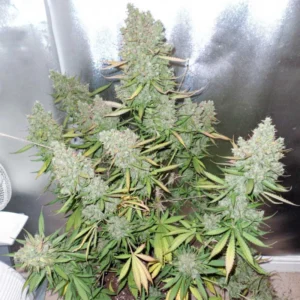
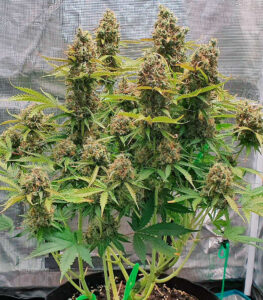
If you think the tried and tested strains like Northern Lights, White Widow, Gorilla Glue, Bruce Banner, OG Kush, Sour Diesel are boring, check out some recent customer photos 🙂

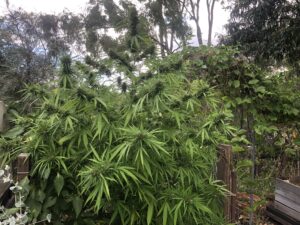
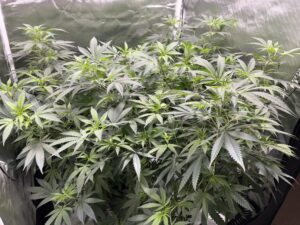


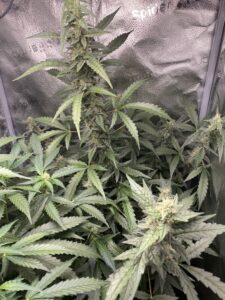
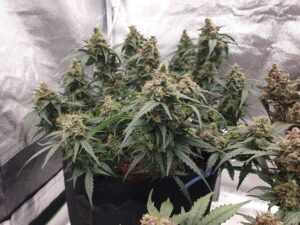



Cannabis Seeds, Free Seeds Promo, Highest THC, Photo Period, Sativa Dominant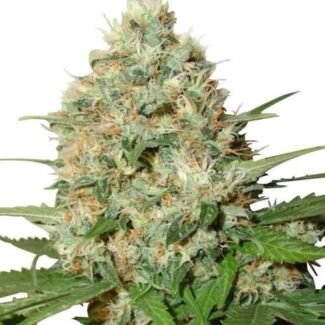
AK-47 Feminized Seeds (+Free Seeds)
Cannabis Seeds, Free Seeds Promo, Highest THC, Photo Period, Sativa Dominant
AK-47 Feminized Seeds (+Free Seeds)
Free Seeds with Every Order (Mention your desired free strain in the comment field at checkout)
Ak-47 was orginally created by the Netherland’s Serious Seeds in 1992 and has won 16 awards including the High Times Cannabis Cup. People love this strain around the world for its high THC content, strong flavour and high energy effects.
 20% INDICA – 80% SATIVA
FOR SOUVENIR PURPOSES ONLY 
FEMINIZED & TOP QUALITY
VERY HIGH THC LEVEL 18-23%
FAST, DISCREET, DOMESTIC SHIPPING
SKU: AK
ON SALE (20% OFF), Photo Period, Sativa Dominant
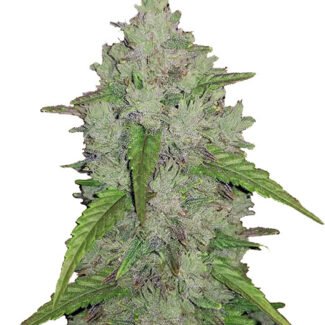
Amnesia Haze Feminized (On sale)
The Dutch classic and favorite amongst the most seasoned Cannabis Connoisseurs out there. This world famous Sativa dominant strain has won several cannabis cups over the years and is characterized by mouth watering notes of lemon, incense and cedarwood with a very uplifting & stimulating high. This Sativa has a longer flowering time but the patient grower will be rewarded with a truly supreme quality outstanding end product.
This strain is loved for its energetic daytime high, creative spark and old-school Amsterdam pedigree.
10% INDICA – 90% SATIVA
FEMINIZED & TOP QUALITY
VERY HIGH THC LEVEL 21-25%
FAST, DISCREET, DOMESTIC SHIPPING
SKU: AH
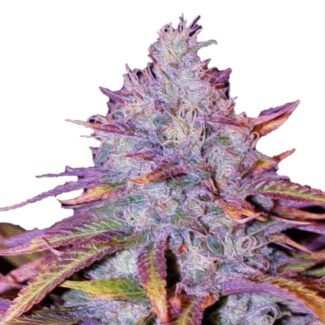
Cannabis Seeds, Free Seeds Promo, Photo Period, Sativa Dominant
Blue Dream Feminized (+ Free Seeds)
Free Seeds with Every Order (Mention your desired strain in the comment field at checkout)
Blue Dream has long been an Aussie favorite for it’s balanced Sativa/Indica characteristics leaning towards Sativa dominant. Originating from California, Blue Dream is a cross between Blueberry (Indica) and Haze (Sativa). With a high THC level between 18-24% THC, this strain is very high yielding with very heavy branching and easy to grow leading to it’s popularity amongst novice and veteran cannabis growers.
As a Sativa dominant, Blue Dream is comparatively quick to grow but will produce larger high yielding plants up to 6 feet tall depending on conditions, with a 8-9 week flowering time and 700+ g/m2. This strain performs well indoors and outdoors with most cultivation methods. With a potent and intense fruity, sweet aroma similar to ripe berries, the high is reported to be creative, happy & euphoric. This strain is also popular with medicinal cannabis users to treat stress, depression and anxiety.
60% SATIVA – 40% INDICA
FOR SOUVENIR PURPOSES ONLY
FEMINIZED & TOP QUALITY
MEDIUM / HIGH THC LEVEL 18-24%
FAST, DISCREET, DOMESTIC SHIPPING
SKU: BlueD
Cannabis Seeds, Free Seeds Promo, Highest THC, Most Popular, Photo Period, Sativa Dominant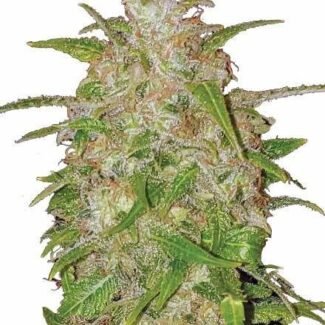
Bruce Banner #5 Feminized (+ Free Seeds)
Cannabis Seeds, Free Seeds Promo, Highest THC, Most Popular, Photo Period, Sativa Dominant
Bruce Banner #5 Feminized (+ Free Seeds)
Free Seeds with Every Order (Mention your desired free strain in the comment field at checkout)
The iconic cult classic ultra high THC Bruce Banner #5 is available in Australia! This strain is super easy to grow and offers very heavy yielding plants with thick, intense diesel flavoured fruity buds. As a Sativa dominent, expect larger plants, quite tall with long bushy stems with heavy yields. This strain performs well indoors and outdoors with any of the available cultivation methods.
Bruce Banner has a massive cult following over many years with a flavour posessing distinct earthy wood with sweet strawberry undertones. As a Sativa dominant, this strain with a mix of OG Kush + Strawberry Punch Diesel is highly energising and great for daytime motivation and creativity. Expect a flowering time of 9-11 weeks with a yield of 700 g/m2 and plant height of 150cm with flowing so long as the temperature is above 15°C absolute min.
55% SATIVA – 25% INDICA – 20% Ruderalis
FEMINIZED & TOP QUALITY
VERY VERY HIGH THC LEVEL Up to 29%
FAST, DISCREET, DOMESTIC SHIPPING
SKU: BB
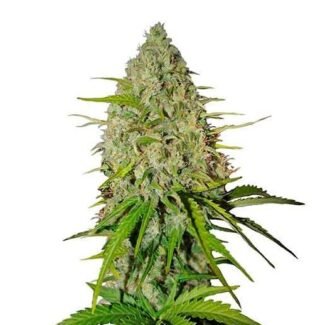
Cannabis Seeds, Exotic Strains, Photo Period, Sativa Dominant
Grapefruit Feminized Seeds
The Vancouver, Canada born strain known and loved for decades is a real uplifter! This 80% Sativa strain has a sweet and fruity aroma similar to the smell of ripe grapefruit It’s an 80’s old secret mix of Cinderalla 99 with a mystical grapefruit flavoured Sativa. With the smell of pineapple and grapefuit this has an uplifting & stimulating high good for focus, creativity and pleasure.
20% INDICA – 80% SATIVA
FOR SOUVENIR PURPOSES ONLY
FEMINIZED & TOP QUALITY
HIGH THC LEVEL 16-18%
FAST, DISCREET, DOMESTIC SHIPPING
SKU: GF
Cannabis Seeds, Exotic Strains, ON SALE (20% OFF), Photo Period, Sativa Dominant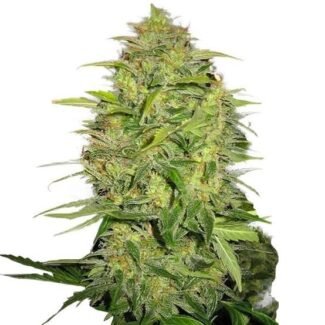
Lemon Skunk Feminized (On Sale)
Cannabis Seeds, Exotic Strains, ON SALE (20% OFF), Photo Period, Sativa Dominant
Lemon Skunk Feminized (On Sale)
Lemon Skunk has several first place awards with it’s unique scent, taste and high making it a cannabis connoisseur specialty. Lemon Skunk is a cross between two skunk strains, Skunk #1 and Citris Skunk. Scoring a first place award during the High Life Cup in 2007 and others, this potent strain has complex lemon grass, lemon, orange, cedarwood flavors.
Lemon Skunk grows well in both indoor and outdoor conditions but grows quite large so make sure you have a big space. The flowering time is normally 7-9 weeks with the buds often containing patches of golden oranges with medium size leaves.
Many reviewers describe the Lemon Skunk high as introspection, long lasting and creative. This is a great strain for breeders of all levels you will not be disappointed.
60% SATIVA – 40% INDICA
FOR SOUVENIR PURPOSES ONLY
FEMINIZED & TOP QUALITY
HIGH THC LEVEL 14-22%
FAST, DISCREET, DOMESTIC SHIPPING
SKU: LS
Cannabis Seeds, Exotic Strains, Free Seeds Promo, Highest THC, Most Popular, NEW, Photo Period, Sativa Dominant
Mimosa Famosa Feminized Seeds (+ Free Seeds)
Cannabis Seeds, Exotic Strains, Free Seeds Promo, Highest THC, Most Popular, NEW, Photo Period, Sativa Dominant
Mimosa Famosa Feminized Seeds (+ Free Seeds)
Mimosa Famosa, is the upgraded version of the popular ‘Mimosa’ or ‘Purple Mimosa’ which is consistently one of the most potent THC strains around. The ‘Famosa’ version has even higher THC and more intense terpenes. While this strain packs a serious punch, it’s sativa dominant hybrid genetics offer a vibrant, uplifting even talkative high. The flavor of this strain is sour & citrusy with earthy pine notes and a smooth finish.
This strain has been expertly crafted by crossing 2 amazing strains ‘Clementine’ and ‘Purple Punch so the finish can have a nice purple hue and the yield is huge up to 1000 g/m2 with a 9-10 week flowering time indoors. This strain has long branches and tends to be quite bush especially if grown outdoors.
30% INDICA – 70% SATIVA
FEMINIZED & TOP QUALITY
VERY VERY! HIGH THC LEVEL 25-33%
FAST, DISCREET, DOMESTIC SHIPPING
SKU: MF
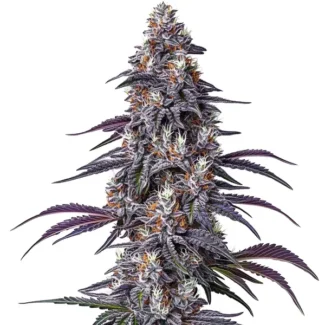
Cannabis Seeds, Free Seeds Promo, Photo Period, Sativa Dominant
Purple Haze Feminized (+ Free Seeds)
Free Seeds with Every Order (Mention your desired free strain in the comment field at checkout)
Purple Haze was made famous in the 60’s by the Rockstar legend Jimi Hendrix’s. With a 60% sativa and 40% indica blend, this incredibly popular strain originated from Thailand as a cross between Haze & Purple Thai. Strong enough to pack a good punch, but not too crazy, this strain delivers a creative and euphoric high with a pleasant flavour of grape, berry and lavender.
Growing Purple Haze is a straight forward with plants thriving both indoors and outdoors with large yields of 600+m p/2. The plants will reach a medium height, with a distinct purple hue of the flowers when fresh, dulling to a slight purple once dried with a wonderful smell. As this variety has been cultivated for many many years, you can be assured of a stable phenotype that is derived only from the best genetic offerings available today.
60% SATIVA – 40% INDICA
FOR SOUVENIR PURPOSES ONLY
FEMINIZED & TOP QUALITY
MEDIUM / HIGH THC LEVEL 14-19%
FAST, DISCREET, DOMESTIC SHIPPING
SKU: PH
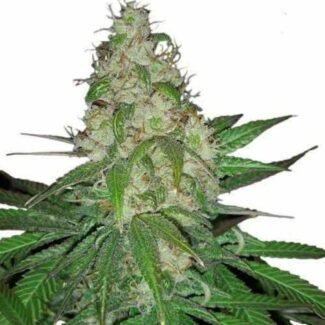
Cannabis Seeds, Photo Period, Sativa Dominant
Sour Diesel Feminized Seeds
Sour D, is renown across North America for it’s very strong sativa dominated effects and unique diesel fuel odour when smoked. Around since the 90s, it was created by crossing Chemdawg and Super Skunk. Sour Diesel has an intense flavour and aroma, with notes of lemon, exotic wood, diesel fuel and spices.
40% INDICA – 60% SATIVA
FOR SOUVENIR PURPOSES ONLY
FEMINIZED & TOP QUALITY
VERY HIGH THC LEVEL 19-24%
FAST, DISCREET, DOMESTIC SHIPPING
SKU: SD
Auto, Cannabis Seeds, Free Seeds Promo, Highest THC, Sativa Dominant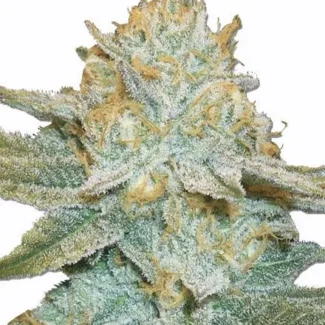
Auto AK-47 Feminized Seeds (+ Free Seeds)
Auto, Cannabis Seeds, Free Seeds Promo, Highest THC, Sativa Dominant
Auto AK-47 Feminized Seeds (+ Free Seeds)
Free Seeds with Every Order (Mention your desired free strain in the comment field at checkout)
Ak-47 was orginally created by the Netherland’s Serious Seeds in 1992 and has won 16 awards including the High Times Cannabis Cup. People love this strain around the world for its high THC content, strong flavour and high energy effects.
Auto flowering seeds will flower on their own normally after 2-4 weeks of growth without any light schedule alteration, creating compact plants and with a shorter growing period.
20% INDICA – 80% SATIVA
FOR SOUVENIR PURPOSES ONLY
FEMINIZED & TOP QUALITY
VERY HIGH THC LEVEL 18-23%
FAST, DISCREET, DOMESTIC SHIPPING
SKU: AKA
Auto, Cannabis Seeds, Sativa Dominant
Auto Amnesia Haze Feminized
Damn! Amnesia is the true Dutch Classic, BUT this is the Auto Version so it finishes super quick. This Auto Sativa dominant strain is the one you write home about. It’s just got that clean, mouth watering notes of lemon, incense and cedarwood with a very uplifting & stimulating high. This Sativa has a longer flowering time but the patient grower will be rewarded with a truly supreme quality outstanding end product.
Auto flowering seeds will flower on their own normally after 2-4 weeks of growth without any light schedule alteration, creating compact plants and with a shorter growing period.
10% INDICA – 90% SATIVA
FOR SOUVENIR PURPOSES ONLY
FEMINIZED & TOP QUALITY
VERY HIGH THC LEVEL 21-25%
FAST, DISCREET, DOMESTIC SHIPPING
SKU: AHA
Auto, Cannabis Seeds, Free Seeds Promo, Sativa Dominant
Auto Blue Dream Feminized (+ Free Seeds)
Free Seeds with Every Order (Mention your desired free strain in the comment field at checkout)
Blue Dream has long been an Aussie favorite for it’s balanced Sativa/Indica characteristics leaning towards Sativa dominant. Originating from California, Blue Dream is a cross between Blueberry (Indica) and Haze (Sativa). With a high THC level between 18-24% THC, this strain is very high yielding and easy to grow leading to it’s popularity amongst novice and veteran cannabis growers.
Auto flowering seeds will flower on their own normally after 2-4 weeks of growth without any light schedule alteration, creating compact plants and with a shorter growing period.
As a Sativa dominant, Blue Dream is comparatively quick to grow but will produce larger high yielding plants up to 6 feet tall depending on conditions, with a 8-9 week flowering time and 700+ g/m2. This strain performs well indoors and outdoors with most cultivation methods. With a potent and intense fruity, sweet aroma similar to ripe berries, the high is reported to be creative, happy & euphoric. This strain is also popular with medicinal cannabis users to treat stress, depression and anxiety.
60% SATIVA – 40% INDICA
FOR SOUVENIR PURPOSES ONLY
FEMINIZED & TOP QUALITY
HIGH THC LEVEL 18-24%
FAST, DISCREET, DOMESTIC SHIPPING
SKU: BlueDA
Auto, Cannabis Seeds, Free Seeds Promo, Highest THC, Most Popular, Sativa Dominant
Auto Bruce Banner #5 Feminized (+ Free Seeds)
Auto, Cannabis Seeds, Free Seeds Promo, Highest THC, Most Popular, Sativa Dominant
Auto Bruce Banner #5 Feminized (+ Free Seeds)
Free Seeds with Every Order (Mention your desired free strain in the comment field at checkout)
The iconic Autoflowering Bruce Banner #5 is now available in Australia! This strain is super easy to grow and offers very heavy yielding plants with thick, intense diesel flavoured fruity buds. As an Autoflower, the plant is medium-sized and performs well indoors and outdoors with any of the available cultivation methods.
Auto flowering seeds will flower on their own normally after 3-5 weeks of growth without any light schedule alteration, creating compact plants and with a shorter growing period.
Bruce Banner has a massive cult following over many years with a flavour posessing distinct earthy wood with sweet strawberry undertones. As a Sativa dominant, this strain is highly energising and great for daytime motivation and creativity. Expect a flowering time of 7-8 weeks with a yield of 500 g/m2 and plant height of 80-120cm with flowing at any photoperiod between 12-18 hours so long as the temperature is above 10°C absolute min.
55% SATIVA – 25% INDICA – 20% RUDERALIS
FEMINIZED & TOP QUALITY
VERY HIGH THC LEVEL Up to 29%
FAST, DISCREET, DOMESTIC SHIPPING
SKU: BBA
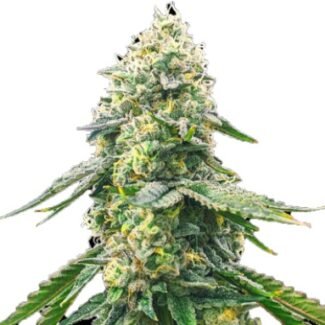
Auto, Cannabis Seeds, Sativa Dominant
Auto Cocopopo Feminized
Here is a rare auto choco strain that will please the true connoisseurs and collectors. The distinctive sweet-bitter characteristics of the original Chocolope strain has been preserved in this high yielding autoflower variety.
The genetics are Cocopopo x Ruderalis which provide an intense aroma and unique flavour of deep notes of chocolate. As a prodominant Sativa strain the effects are uplifting, invigorating and euphoria-producing. The flower time is approx 9-10 weeks yielding between 450-600 g/m2 indoors. Outdoors it will reach a tall height of 70-140cm with a harvest normally after approx 80-90 days assuming the temp stays above 10 degrees celcius. This strain is definately a bit left of centre but well worth your attention!
75% SATIVA – 5% INDICA – 20% RUDERALIS
FOR SOUVENIR PURPOSES ONLY
FEMINIZED & TOP QUALITY
VERY HIGH THC LEVEL 20-25%
FAST, DISCREET, DOMESTIC SHIPPING
SKU: coco
Cannabis Seeds, Indica Dominant, Most Popular, ON SALE (20% OFF), Photo Period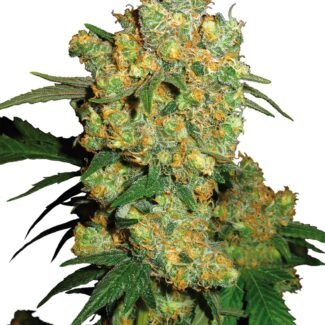
Big Bud Feminized (On Sale)
Cannabis Seeds, Indica Dominant, Most Popular, ON SALE (20% OFF), Photo Period
Big Bud Feminized (On Sale)
Big Bud is a famous cannabis strain not only for massive yields, but also for an outstanding pedigree which has been refined over many years. This Indica dominant hybrid has incredible vigor and often record breaking production derived from Afghani Northern Lights with Skunk genetics. The resin profile is very impressive coating even the inner flower clusters and this strain has a powerful yet balanced stone and intense flavor and smell profile with it’s skunk sativa ancestry. On both smaller and large plants, the flowers on a Bigger Bud plant are huge, solid and packed with resin. A very worthy addition to any collection!
85% INDICA – 15% SATIVA
FOR SOUVENIR PURPOSES ONLY
FEMINIZED & TOP QUALITY
VERY HIGH THC LEVEL 17-20%
FAST, DISCREET, DOMESTIC SHIPPING
SKU: BigB
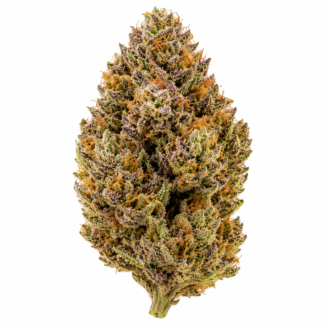
Cannabis Seeds, Indica Dominant, Photo Period
Bubblegum Feminized Seeds
After coming to Holland from USA as a clone-only strain, Bubblegum became an immediate hit across Europe. It has a large bubbly buds and a very powerful effect and can easily surprise those who need emotional and physical relief. This strain has a unique bubble gum smell too due to it’s cross with South Indian x Holland x Blueberry genetics. Its effect is balanced, powerful, physical and cerebral. Initially stimulating and invigorating. A connoisseurs specialty.
80% INDICA – 20% SATIVA
FOR SOUVENIR PURPOSES ONLY
FEMINIZED & TOP QUALITY
VERY HIGH THC LEVEL 20-27%
FAST, DISCREET, DOMESTIC SHIPPING
SKU: BG
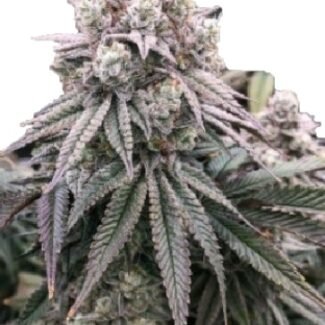
Cannabis Seeds, Free Seeds Promo, Indica Dominant, Photo Period
Cheese Feminized (+ Free Seeds)
Free Seeds with Every Order (Mention your desired free strain in the comment field at checkout)
The Cheese Cannabis Strain is one of the best skunk strains available worldwide and probably the most famous coming out of the UK. With a distinctive and very special taste and aroma this strain will have your mouth watering! With a long lasting flavour and scent of cured cheese this strain leaves a lasting impression of skunk and aged cheddar. As an Indica expect a long lasting slow creeping very ‘stoned’ stone from this classic strain.
This strain is commonly used for medicinal purposes and has a fast flowering time of 8-9 weeks and very high yielding especially for an Indica with 850 g/m2 expected under the right conditions. Expect fat chunky potent flowers.
60% INDICA – 40% SATIVA
FEMINIZED & TOP QUALITY
VERY HIGH THC LEVEL 18-21%
FAST, DISCREET, DOMESTIC SHIPPING
SKU: Cheese
Cannabis Seeds, Exotic Strains, Free Seeds Promo, Highest THC, Indica Dominant, NEW, Photo Period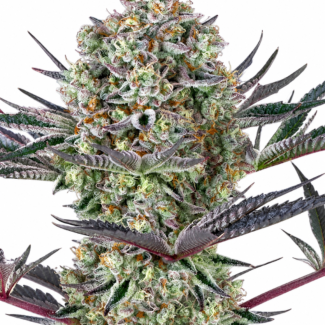
Dosidos Rocketos Feminized Seeds (+ Free Seeds)
Cannabis Seeds, Exotic Strains, Free Seeds Promo, Highest THC, Indica Dominant, NEW, Photo Period
Dosidos Rocketos Feminized Seeds (+ Free Seeds)
Dosidos Rocketos is a powerful Indica-dominant hybrid combining Face Off OG × Green Scout Cookies genetics. With a reported 70% Indica / 30% Sativa profile, heavy resin production and a rich sweet-earthy aroma, this is a modern high-potency strain with some seriously impressive genetics behind it.
The Face Off OG influence brings classic OG character, while Green Scout Cookies adds sweetness, resin production and a more complex aromatic profile. The result is a vigorous, bushy plant capable of producing dense, highly resinous flowers.
Dosidos Rocketos is particularly suited to collectors looking for modern American-style genetics, high potency potential and a strong Indica influence.
70% INDICA – 30% SATIVA
FEMINIZED & TOP QUALITY
VERY VERY HIGH THC LEVEL 26-32%
FAST, DISCREET, DOMESTIC SHIPPING
SKU: DR1
Cannabis Seeds, Indica Dominant, Photo Period
Gelato Feminized Seeds
Fruity Gelato Goodness… This is an amazing strain! Another ‘Cali’ wonder, this strain is a combination of Girl Scout Cookies and Sunset Sherbet with a desert-like sweet taste and super strong potency, this strain is very popular among serious marijuana enthusiasts.
70% INDICA – 30% SATIVA
FOR SOUVENIR PURPOSES ONLY
FEMINIZED & TOP QUALITY
VERY HIGH THC LEVEL 21-25%
FAST, DISCREET, DOMESTIC SHIPPING
SKU: Gelato
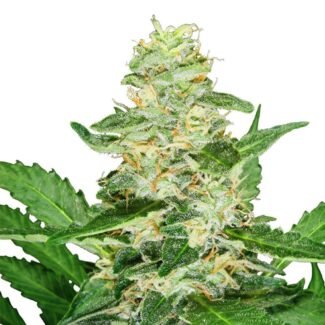
Cannabis Seeds, Highest THC, Indica Dominant, Photo Period
Girl Scout Cookies Feminized
An Aussie favourite, this indica dominant strain is blend of OG Kush and Durban Poison with powerful long lasting, relaxing effects for medicinal purposes to help with nausea and pain. This will will certainly keep you well relaxed for that end of day stress relief! This strain has an intense flavour and aroma of citrus and sweet fruit with above average yields.
60% INDICA – 40% SATIVA
FEMINIZED & TOP QUALITY
VERY HIGH THC LEVEL 22-28%
FAST, DISCREET, DOMESTIC SHIPPING
SKU: GSC
Cannabis Seeds, Free Seeds Promo, Highest THC, Indica Dominant, Most Popular, Photo Period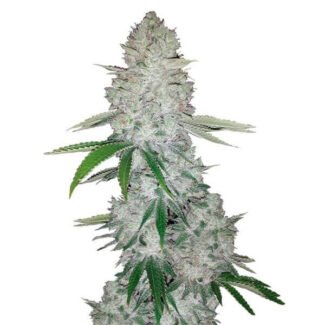
Gorilla Glue #4 Feminized Seeds (+ Free Seeds)
Cannabis Seeds, Free Seeds Promo, Highest THC, Indica Dominant, Most Popular, Photo Period
Gorilla Glue #4 Feminized Seeds (+ Free Seeds)
Free Seeds with Every Order (Mention your desired free strain in the comment field at checkout)
Guerilla Glue (Gorilla Glue) also known as GG4, is our favorite strain! GG is one of the world’s most recognized high-THC cannabis strains with a balanced Sativa/Indica characteristics and outstanding yield. This highly acclaimed strain has won several cannabis awards like the Michigan and Los Angeles Cannabis Cups in 2014, and the High Times Jamaican World Cup.
This is a very potent indica based hybrid strain is a cross between Sour Dubb, Chem’s Sister and Chocolate Diesel. This strain is a favorite not only for it’s potency but also it’s yielding capability as it delivers huge yields with a strong sugar-frosty trichomes and very sticky buds lending to it’s name. You can expect huge yields of over 700 g/m2 if grown outdoors with an 8-10 week flowering time. Well worth your attention, this strain certainly delivers.
Approximately 60% Indica / 40% Sativa, Gorilla Glue produces dense, heavily trichome-coated flowers with earthy, pine and diesel aromas complemented by subtle chocolate and coffee notes. THC levels commonly reach approximately 24–28%, making GG4 particularly popular with collectors seeking high-potency genetics.
60% INDICA – 40% SATIVA
FEMINIZED & TOP QUALITY
VERY HIGH THC LEVEL 24-28%
FAST, DISCREET, DOMESTIC SHIPPING
SKU: GG
Cannabis Seeds, Free Seeds Promo, Indica Dominant, Most Popular, Photo Period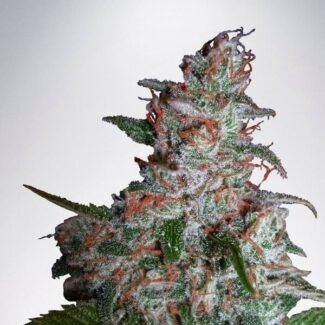
Northern Lights Feminized Seeds (+Free Seeds)
Cannabis Seeds, Free Seeds Promo, Indica Dominant, Most Popular, Photo Period
Northern Lights Feminized Seeds (+Free Seeds)
Free Seeds with Every Order (Mention your desired free strain in the comment field at checkout)
Hmmm probably the most famous strain of all time? And for good reason….. A strong Indica praised for its remarkably resinous buds, fast flowering and easy to grow resilience. This strain has been setting the standard for decades! Well worth your attention, these are fast growing high quality seeds with wow factor.
90% INDICA – 10% SATIVA
FOR SOUVENIR PURPOSES ONLY
FEMINIZED & TOP QUALITY
VERY HIGH THC LEVEL 19-24%
FAST, DISCREET, DOMESTIC SHIPPING
SKU: NL
Cannabis Seeds, Free Seeds Promo, Indica Dominant, Photo Period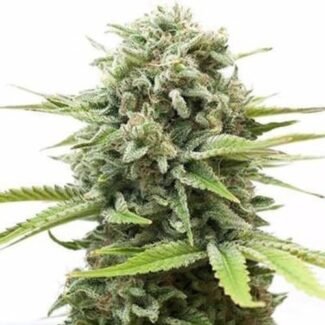
OG Kush Feminized Seeds (+ Free Seeds)
Cannabis Seeds, Free Seeds Promo, Indica Dominant, Photo Period
OG Kush Feminized Seeds (+ Free Seeds)
Free Seeds with Every Order (Mention your desired free strain in the comment field at checkout)
The classic californian OG Kush loves hot temperature and is the proud parent of many popular strains such as girl scout cookies. OG Kush has very high THC levels and is well known for it’s full body high and spicey aroma.
75% INDICA – 25% SATIVA
FOR SOUVENIR PURPOSES ONLY
FEMINIZED & TOP QUALITY
VERY HIGH THC LEVEL 18-23%
FAST, DISCREET, DOMESTIC SHIPPING
SKU: OG
Cannabis Seeds, Exotic Strains, Highest THC, Indica Dominant, NEW, Photo Period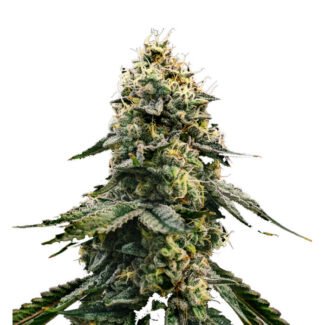
Runtz Gluntz Feminized Seeds
Cannabis Seeds, Exotic Strains, Highest THC, Indica Dominant, NEW, Photo Period
Runtz Gluntz Feminized Seeds
Runtz Gluntz won Leafy’s strain of the year in 2020 for it’s candy like sweetness and dense buds that look like they’ve been coated in sugar. Born in Los Angeles, this strain is a cross between Zkittly Zi Zi (winner in 2016 Emerald cup) and Gelato (also legendary for sweet lemony terpenes). Runtz Gluntz has a very high THC content up to 28% and is also capable of producing large crops indoors and outdoors with thick frosty buds and intense aroma with sweet candy like characteristics when consumed.
This strain fits strongly into the heavy hitter category with a long-lasting uplifting and euphoric effect with deep relaxation of the body also suitable for medical purposes. With a fast flowering time around 8-9 weeks and a yield up to 800 g/m2 it’s a candy flavored powerhouse that is sure to please
70% INDICA – 30% SATIVA
FEMINIZED & TOP QUALITY
VERY VERY HIGH THC LEVEL 24-28%
FAST, DISCREET, DOMESTIC SHIPPING
SKU: RG
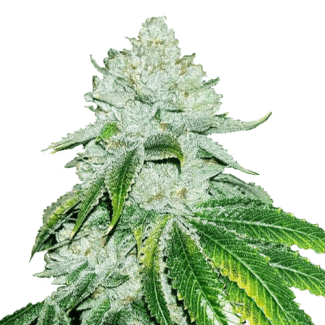
Cannabis Seeds, Free Seeds Promo, Indica Dominant, Photo Period
White Widow Feminized (+ Free Seeds)
Free Seeds with Every Order (Mention your desired free strain in the comment field at checkout)
White Widow is quite possibly the most famous Cannabis strain ever. Originally cultivated in the Netherlands, this balanced Indica/Sativa is a cross between Brazilian Sativa Landrace and a special resin enhanced South Indian Indica. WW has been a prominent staple of the Dutch coffeeshops for over 25 years. Our feminized version is very well balanced through selective breeding with only the highest quailty phenotypes. White Widow has brought us many varieites such as White Russian, Blue Widow, and White Rhino, however there is nothing like the first and the best strain, which flowers in 60 days indoors. These are high quality seeds that are sure to impress.
60% INDICA – 40% SATIVA
FOR SOUVENIR PURPOSES ONLY
FEMINIZED & TOP QUALITY
VERY HIGH THC LEVEL 18-21%
FAST, DISCREET, DOMESTIC SHIPPING
SKU: WW
Cannabis Seeds, Exotic Strains, Free Seeds Promo, Highest THC, Indica Dominant, NEW, Photo Period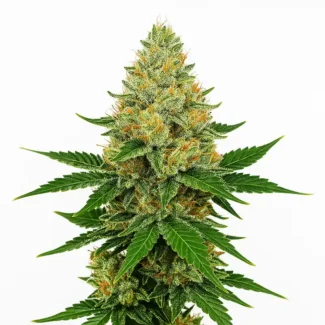
Watermelon Jam Feminized Seeds
Cannabis Seeds, Exotic Strains, Free Seeds Promo, Highest THC, Indica Dominant, NEW, Photo Period
Watermelon Jam Feminized Seeds
Free Seeds with Every Order (Mention your desired free strain in the comment field at checkout)
Watermelon Jam is a Indica-heavy cannabis connoisseur favorite with a wonderfully fruity terpene profile, strong THC, heavy yielder that is also beginner grower friendly. The origin story is somewhat elusive with it’s lineage tracing back to selected Watermelon genetics. Developed in Europe around 2010, Watermelon Jam is all about taking everything growers and consumers loved (flavour, potency, yield) and turning the dial up a few notches.
Suitable for indoor or outdoor growing, it enjoys semi-humid environments. Yielding up to 950 g/m2 under optimal conditions, this strain has strong lateral branches and is definitely a heavy yielder. This exotic strain will not disappoint for those who like a uniquely fruity, heavy hitting Indica.
80% INDICA – 20% SATIVA
FEMINIZED & TOP QUALITY
VERY HIGH THC LEVEL 20-26%
FAST, DISCREET, DOMESTIC SHIPPING
SKU: WJ
Auto, Cannabis Seeds, Free Seeds Promo, Highest THC, Most Popular, Sativa Dominant
Auto Gorilla Glue Feminized Seeds (+ Free Seeds)
Auto, Cannabis Seeds, Free Seeds Promo, Highest THC, Most Popular, Sativa Dominant
Auto Gorilla Glue Feminized Seeds (+ Free Seeds)
Free Seeds with Every Order (Mention your desired free strain in the comment field at checkout)
Auto Gorilla Glue #4 brings the famous GG4 into a faster, compact autoflowering format. Combining Gorilla Glue #4-derived genetics with auto flowering lineage, this Indica-dominant hybrid retains the heavy resin production, potency and distinctive earthy-diesel character that made the original GG4 famous while removing the need for a seasonal or artificial change in light cycle to initiate flowering..
With unique cross of Sour Dubb, Chem’s Sister and Chocolate Diesel, this autoflowering versions introduce selected autoflower genetics which will flower on their own normally after 3-4 weeks of growth without any light schedule alteration, creating compact plants and with a shorter overall growing period.
60% INDICA – 40% SATIVA
FEMINIZED & TOP QUALITY
VERY HIGH THC LEVEL 22-26%
FAST, DISCREET, DOMESTIC SHIPPING
SKU: GGA
Auto, Cannabis Seeds, Free Seeds Promo, Indica Dominant
Auto White Widow Feminized (+ Free Seeds)
Free Seeds with Every Order (Mention your desired free strain in the comment field at checkout)
White Widow is quite possibly the most famous Cannabis strain ever. Originally cultivated in the Netherlands, this balanced Indica/Sativa is a cross between Brazilian Sativa Landrace and a special resin enhanced South Indian Indica. WW has been a prominent staple of the Dutch coffeeshops for over 25 years. Our feminized version is very well balanced through selective breeding with only the highest quailty phenotypes. White Widow has brought us many varieites such as White Russian, Blue Widow, and White Rhino, however there is nothing like the first and the best strain, which flowers in 60 days indoors. These are high quality seeds that are sure to impress.
Auto flowering seeds will flower on their own normally after 2-4 weeks of growth without any light schedule alteration, creating compact plants and with a shorter growing period.
60% INDICA – 40% SATIVA
FOR SOUVENIR PURPOSES ONLY
FEMINIZED & TOP QUALITY
VERY HIGH THC LEVEL 18-21%
FAST, DISCREET, DOMESTIC SHIPPING
SKU: WWA
Auto, Cannabis Seeds, Free Seeds Promo, Indica Dominant
Auto Northern Lights Feminized Seeds (+ Free Seeds)
Auto, Cannabis Seeds, Free Seeds Promo, Indica Dominant
Auto Northern Lights Feminized Seeds (+ Free Seeds)
Free Seeds with Every Order (Mention your desired free strain in the comment field at checkout)
Hmmm probably the most famous strain of all time? And for good reason….. A strong Indica praised for its remarkably resinous buds, fast flowering and easy to grow resilience. This strain has been setting the standard for decades! Well worth your attention, these are fast growing high quality seeds with wow factor.
Auto flowering seeds will flower on their own normally after 2-4 weeks of growth without any light schedule alteration, creating compact plants and with a shorter growing period.
80% INDICA / 0% SATIVA / 20% RUDERALIS
FEMINIZED & TOP QUALITY
MED HIGH THC LEVEL 15-19%
FAST, DISCREET, DOMESTIC SHIPPING
SKU: NLA
Auto, Cannabis Seeds, Free Seeds Promo, Highest THC, Indica Dominant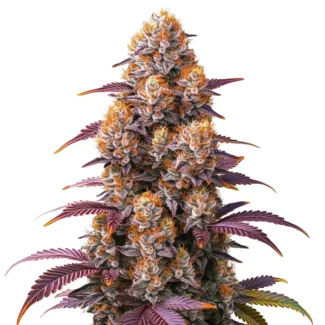
Auto Gelato Feminized Seeds (+ Free Seeds)
Auto, Cannabis Seeds, Free Seeds Promo, Highest THC, Indica Dominant
Auto Gelato Feminized Seeds (+ Free Seeds)
Free Seeds with Every Order (Mention your desired free strain in the comment field at checkout)
Fruity Gelato Goodness… This is an amazing strain! Another ‘Cali’ wonder, this strain is a combination of Girl Scout Cookies and Sunset Sherbet with a desert-like sweet taste and super strong potency, this strain is very popular among serious marijuana enthusiasts.
70% INDICA – 30% SATIVA
FOR SOUVENIR PURPOSES ONLY
FEMINIZED & TOP QUALITY
VERY HIGH THC LEVEL 21-25%
FAST, DISCREET, DOMESTIC SHIPPING
SKU: GelatoA
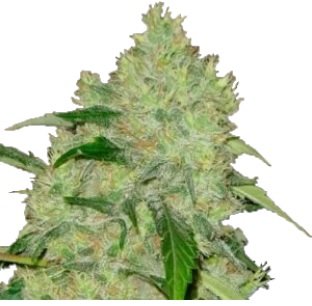
Auto, Cannabis Seeds, Indica Dominant
Auto Bubblegum Feminized Seeds
After coming to Holland from USA as a clone-only strain, Bubblegum became an immediate hit across Europe. It has a large bubbly buds and a very powerful effect and can easily surprise those who need emotional and physical relief. This strain has a unique bubble gum smell too due to it’s cross with South Indian x Holland x Blueberry genetics. Its effect is balanced, powerful, physical and cerebral. Initially stimulating and invigorating. A connoisseurs specialty.
Auto flowering seeds will flower on their own normally after 2-4 weeks of growth without any light schedule alteration, creating compact plants and with a shorter growing period.
80% INDICA – 20% SATIVA
FOR SOUVENIR PURPOSES ONLY
FEMINIZED, AUTO & TOP QUALITY
VERY HIGH THC LEVEL 20-27%
FAST, DISCREET, DOMESTIC SHIPPING
SKU: BGA
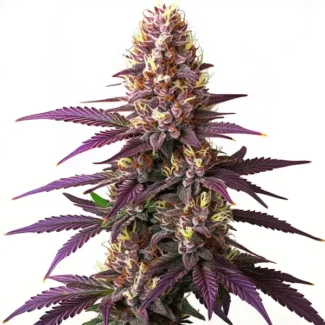
Auto, Cannabis Seeds, Indica Dominant
Auto Blueberry Feminized Seeds
Auto Blueberry has a sweet fruity flavour and aroma, with notes of blueberry and spices. These autos can be flowered any time of the year provided temperature stays above 10°C. This cross between Blueberry and a Canadian Ruderalis produces stout plants with flowers that have medium to large calyxes with red, purple and also blue colors, especially when grown during lower temperature at night. This genetical mixture is a true masterpiece!
Auto flowering seeds will flower on their own normally after 2-4 weeks of growth without any light schedule alteration, creating compact plants and with a shorter growing period.
70% INDICA – 10% SATIVA – 20% Ruderalis
FOR SOUVENIR PURPOSES ONLY
FEMINIZED, AUTO & TOP QUALITY
HIGH THC LEVEL 19-20%
FAST, DISCREET, DOMESTIC SHIPPING
SKU: Blue
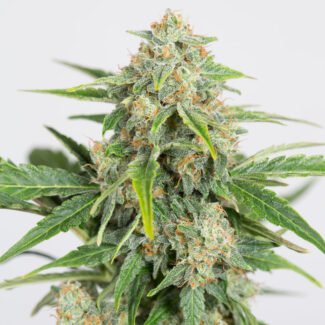
Cannabis Seeds, CBD Dominant
CBD Nepal Gold Feminized
This medicinal strain has a low THC content of approx 4-6% and a high CBD content of approx 7-10% making it suitable for therapeutic purposes and those with a medicinal growing license. This strain produces subtle and pleasant effects with high CBD content.
VERY LOW THC LEVEL 4-6% | HIGH CBD Level 7-10%
FOR SOUVENIR PURPOSES ONLY
FEMINIZED & TOP QUALITY
FAST, DISCREET, DOMESTIC SHIPPING
SKU: Nepal
Cannabis Seeds, CBD Dominant
CBD White Widow Feminized
This medicinal strain has a low THC content of approx 4-6% and a high CBD content of approx 7-10% making it suitable for therapeutic purposes and those with a medicinal growing license. This strain produces subtle and pleasant effects with high CBD content.
VERY LOW THC LEVEL 4-6% | HIGH CBD Level 7-10%
FOR SOUVENIR PURPOSES ONLY
FEMINIZED & TOP QUALITY
FAST, DISCREET, DOMESTIC SHIPPING
SKU: n/a
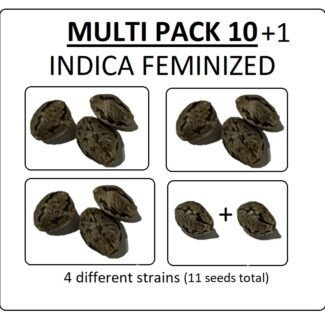
Cannabis Seeds, Indica Dominant, Multi pack
Multi Pack 10 Indica Feminized Seeds
This multi-pack includes 4 of our top feminized Indica strains (10+1 seeds total). Hand picked and top quality for your souvenir collection. We’ll ensure you receive up to 4 different feminized strains normally made up of a 3 x 3 x 3 x 2 (11 total) mixture of our most popular strains which may include Northern Lights, White Widow, Gelato, Gorilla Glue, Girl Scout Cookies, OG Kush, Bubblegum and/or Cheese
INDICA DOMINANT
FOR SOUVENIR PURPOSES ONLY
FEMINIZED & TOP QUALITY
HIGH THC LEVEL
FAST, DISCREET, DOMESTIC SHIPPING
SKU: n/a
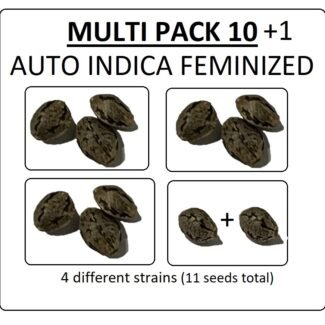
Auto, Cannabis Seeds, Indica Dominant, Multi pack
Multi Pack 10 AUTO Indica Feminized Seeds
This multi-pack includes 4 of our top feminized Indica strains (10+1 seeds total). Hand picked and top quality for your souvenir collection. We’ll ensure you receive up to 4 different feminized strains normally made up of a 3 x 3 x 3 x 2 (11 total) mixture of our most popular strains which may include AUTO Northern Lights, AUTO White Widow, AUTO Gelato, AUTO Blueberry, AUTO Bubblegum, AUTO Cocopopo
Auto flowering seeds will flower on their own normally after 2-4 weeks of growth without any light schedule alteration, creating compact plants and with a shorter growing period.
INDICA DOMINANT (Auto Flowering)
FOR SOUVENIR PURPOSES ONLY
FEMINIZED & TOP QUALITY
HIGH THC LEVEL
FAST, DISCREET, DOMESTIC SHIPPING
SKU: n/a
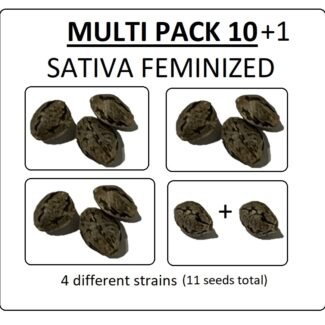
Cannabis Seeds, Multi pack, Sativa Dominant
Multi Pack 10 Sativa Feminized Seeds
This multi-pack includes 4 of our top feminized Sativa strains (10+1 seeds total). Hand picked and top quality for your souvenir collection. We’ll ensure you receive up to 4 different feminized strains normally made up of a 3 x 3 x 3 x 2 (11 total) mixture of our most popular strains which may include Bruce Banner, Gorilla Glue, Amensia Haze, AK-47, Grapefruit and/or Sour Diesel
SATIVA DOMINANT
FOR SOUVENIR PURPOSES ONLY
FEMINIZED & TOP QUALITY
HIGH THC LEVEL
FAST, DISCREET, DOMESTIC SHIPPING
SKU: n/a
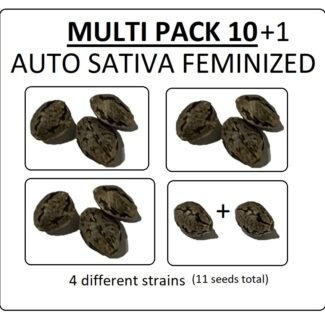
Auto, Cannabis Seeds, Multi pack, Sativa Dominant
Multi Pack 10 AUTO Sativa Feminized Seeds
This multi-pack includes 4 of our top feminized AUTO Sativa strains (10+1 seeds total). Hand picked and top quality for your souvenir collection. We’ll ensure you receive up to 4 different feminized strains normally made up of a 3 x 3 x 3 x 2 (11 total) mixture of our most popular strains which may include AUTO Bruce Banner, AUTO Gorilla Glue, AUTO Amensia Haze, AUTO AK-47, AUTO Cocopopo
Auto flowering seeds will flower on their own normally after 2-4 weeks of growth without any light schedule alteration, creating compact plants and with a shorter growing period.
SATIVA DOMINANT (AUTO FLOWERING)
FOR SOUVENIR PURPOSES ONLY
FEMINIZED & TOP QUALITY
HIGH THC LEVEL
FAST, DISCREET, DOMESTIC SHIPPING
SKU: n/a
Product Carousel Tabs
Cannabis Seeds, Exotic Strains, Free Seeds Promo, Highest THC, Indica Dominant, NEW, Photo Period
Dosidos Rocketos Feminized Seeds (+ Free Seeds)
Cannabis Seeds, Exotic Strains, Free Seeds Promo, Highest THC, Indica Dominant, NEW, Photo Period
Dosidos Rocketos Feminized Seeds (+ Free Seeds)
Dosidos Rocketos is a powerful Indica-dominant hybrid combining Face Off OG × Green Scout Cookies genetics. With a reported 70% Indica / 30% Sativa profile, heavy resin production and a rich sweet-earthy aroma, this is a modern high-potency strain with some seriously impressive genetics behind it.
The Face Off OG influence brings classic OG character, while Green Scout Cookies adds sweetness, resin production and a more complex aromatic profile. The result is a vigorous, bushy plant capable of producing dense, highly resinous flowers.
Dosidos Rocketos is particularly suited to collectors looking for modern American-style genetics, high potency potential and a strong Indica influence.
70% INDICA – 30% SATIVA
FEMINIZED & TOP QUALITY
VERY VERY HIGH THC LEVEL 26-32%
FAST, DISCREET, DOMESTIC SHIPPING
SKU: DR1
Cannabis Seeds, Exotic Strains, Free Seeds Promo, Highest THC, Indica Dominant, NEW, Photo Period
Watermelon Jam Feminized Seeds
Cannabis Seeds, Exotic Strains, Free Seeds Promo, Highest THC, Indica Dominant, NEW, Photo Period
Watermelon Jam Feminized Seeds
Free Seeds with Every Order (Mention your desired free strain in the comment field at checkout)
Watermelon Jam is a Indica-heavy cannabis connoisseur favorite with a wonderfully fruity terpene profile, strong THC, heavy yielder that is also beginner grower friendly. The origin story is somewhat elusive with it’s lineage tracing back to selected Watermelon genetics. Developed in Europe around 2010, Watermelon Jam is all about taking everything growers and consumers loved (flavour, potency, yield) and turning the dial up a few notches.
Suitable for indoor or outdoor growing, it enjoys semi-humid environments. Yielding up to 950 g/m2 under optimal conditions, this strain has strong lateral branches and is definitely a heavy yielder. This exotic strain will not disappoint for those who like a uniquely fruity, heavy hitting Indica.
80% INDICA – 20% SATIVA
FEMINIZED & TOP QUALITY
VERY HIGH THC LEVEL 20-26%
FAST, DISCREET, DOMESTIC SHIPPING
SKU: WJ
Cannabis Seeds, Exotic Strains, Free Seeds Promo, Highest THC, Most Popular, NEW, Photo Period, Sativa Dominant
Mimosa Famosa Feminized Seeds (+ Free Seeds)
Cannabis Seeds, Exotic Strains, Free Seeds Promo, Highest THC, Most Popular, NEW, Photo Period, Sativa Dominant
Mimosa Famosa Feminized Seeds (+ Free Seeds)
Mimosa Famosa, is the upgraded version of the popular ‘Mimosa’ or ‘Purple Mimosa’ which is consistently one of the most potent THC strains around. The ‘Famosa’ version has even higher THC and more intense terpenes. While this strain packs a serious punch, it’s sativa dominant hybrid genetics offer a vibrant, uplifting even talkative high. The flavor of this strain is sour & citrusy with earthy pine notes and a smooth finish.
This strain has been expertly crafted by crossing 2 amazing strains ‘Clementine’ and ‘Purple Punch so the finish can have a nice purple hue and the yield is huge up to 1000 g/m2 with a 9-10 week flowering time indoors. This strain has long branches and tends to be quite bush especially if grown outdoors.
30% INDICA – 70% SATIVA
FEMINIZED & TOP QUALITY
VERY VERY! HIGH THC LEVEL 25-33%
FAST, DISCREET, DOMESTIC SHIPPING
SKU: MF
Auto, Cannabis Seeds, Free Seeds Promo, Sativa Dominant
Auto Blue Dream Feminized (+ Free Seeds)
Free Seeds with Every Order (Mention your desired free strain in the comment field at checkout)
Blue Dream has long been an Aussie favorite for it’s balanced Sativa/Indica characteristics leaning towards Sativa dominant. Originating from California, Blue Dream is a cross between Blueberry (Indica) and Haze (Sativa). With a high THC level between 18-24% THC, this strain is very high yielding and easy to grow leading to it’s popularity amongst novice and veteran cannabis growers.
Auto flowering seeds will flower on their own normally after 2-4 weeks of growth without any light schedule alteration, creating compact plants and with a shorter growing period.
As a Sativa dominant, Blue Dream is comparatively quick to grow but will produce larger high yielding plants up to 6 feet tall depending on conditions, with a 8-9 week flowering time and 700+ g/m2. This strain performs well indoors and outdoors with most cultivation methods. With a potent and intense fruity, sweet aroma similar to ripe berries, the high is reported to be creative, happy & euphoric. This strain is also popular with medicinal cannabis users to treat stress, depression and anxiety.
60% SATIVA – 40% INDICA
FOR SOUVENIR PURPOSES ONLY
FEMINIZED & TOP QUALITY
HIGH THC LEVEL 18-24%
FAST, DISCREET, DOMESTIC SHIPPING
SKU: BlueDA
Cannabis Seeds, Free Seeds Promo, Photo Period, Sativa Dominant
Purple Haze Feminized (+ Free Seeds)
Free Seeds with Every Order (Mention your desired free strain in the comment field at checkout)
Purple Haze was made famous in the 60’s by the Rockstar legend Jimi Hendrix’s. With a 60% sativa and 40% indica blend, this incredibly popular strain originated from Thailand as a cross between Haze & Purple Thai. Strong enough to pack a good punch, but not too crazy, this strain delivers a creative and euphoric high with a pleasant flavour of grape, berry and lavender.
Growing Purple Haze is a straight forward with plants thriving both indoors and outdoors with large yields of 600+m p/2. The plants will reach a medium height, with a distinct purple hue of the flowers when fresh, dulling to a slight purple once dried with a wonderful smell. As this variety has been cultivated for many many years, you can be assured of a stable phenotype that is derived only from the best genetic offerings available today.
60% SATIVA – 40% INDICA
FOR SOUVENIR PURPOSES ONLY
FEMINIZED & TOP QUALITY
MEDIUM / HIGH THC LEVEL 14-19%
FAST, DISCREET, DOMESTIC SHIPPING
SKU: PH
Cannabis Seeds, Free Seeds Promo, Indica Dominant, Photo Period
Cheese Feminized (+ Free Seeds)
Free Seeds with Every Order (Mention your desired free strain in the comment field at checkout)
The Cheese Cannabis Strain is one of the best skunk strains available worldwide and probably the most famous coming out of the UK. With a distinctive and very special taste and aroma this strain will have your mouth watering! With a long lasting flavour and scent of cured cheese this strain leaves a lasting impression of skunk and aged cheddar. As an Indica expect a long lasting slow creeping very ‘stoned’ stone from this classic strain.
This strain is commonly used for medicinal purposes and has a fast flowering time of 8-9 weeks and very high yielding especially for an Indica with 850 g/m2 expected under the right conditions. Expect fat chunky potent flowers.
60% INDICA – 40% SATIVA
FEMINIZED & TOP QUALITY
VERY HIGH THC LEVEL 18-21%
FAST, DISCREET, DOMESTIC SHIPPING
SKU: Cheese
Cannabis Seeds, Free Seeds Promo, Photo Period, Sativa Dominant
Blue Dream Feminized (+ Free Seeds)
Free Seeds with Every Order (Mention your desired strain in the comment field at checkout)
Blue Dream has long been an Aussie favorite for it’s balanced Sativa/Indica characteristics leaning towards Sativa dominant. Originating from California, Blue Dream is a cross between Blueberry (Indica) and Haze (Sativa). With a high THC level between 18-24% THC, this strain is very high yielding with very heavy branching and easy to grow leading to it’s popularity amongst novice and veteran cannabis growers.
As a Sativa dominant, Blue Dream is comparatively quick to grow but will produce larger high yielding plants up to 6 feet tall depending on conditions, with a 8-9 week flowering time and 700+ g/m2. This strain performs well indoors and outdoors with most cultivation methods. With a potent and intense fruity, sweet aroma similar to ripe berries, the high is reported to be creative, happy & euphoric. This strain is also popular with medicinal cannabis users to treat stress, depression and anxiety.
60% SATIVA – 40% INDICA
FOR SOUVENIR PURPOSES ONLY
FEMINIZED & TOP QUALITY
MEDIUM / HIGH THC LEVEL 18-24%
FAST, DISCREET, DOMESTIC SHIPPING
SKU: BlueD
Cannabis Seeds, Free Seeds Promo, Highest THC, Most Popular, Photo Period, Sativa Dominant
Bruce Banner #5 Feminized (+ Free Seeds)
Cannabis Seeds, Free Seeds Promo, Highest THC, Most Popular, Photo Period, Sativa Dominant
Bruce Banner #5 Feminized (+ Free Seeds)
Free Seeds with Every Order (Mention your desired free strain in the comment field at checkout)
The iconic cult classic ultra high THC Bruce Banner #5 is available in Australia! This strain is super easy to grow and offers very heavy yielding plants with thick, intense diesel flavoured fruity buds. As a Sativa dominent, expect larger plants, quite tall with long bushy stems with heavy yields. This strain performs well indoors and outdoors with any of the available cultivation methods.
Bruce Banner has a massive cult following over many years with a flavour posessing distinct earthy wood with sweet strawberry undertones. As a Sativa dominant, this strain with a mix of OG Kush + Strawberry Punch Diesel is highly energising and great for daytime motivation and creativity. Expect a flowering time of 9-11 weeks with a yield of 700 g/m2 and plant height of 150cm with flowing so long as the temperature is above 15°C absolute min.
55% SATIVA – 25% INDICA – 20% Ruderalis
FEMINIZED & TOP QUALITY
VERY VERY HIGH THC LEVEL Up to 29%
FAST, DISCREET, DOMESTIC SHIPPING
SKU: BB
Auto, Cannabis Seeds, Free Seeds Promo, Highest THC, Most Popular, Sativa Dominant
Auto Bruce Banner #5 Feminized (+ Free Seeds)
Auto, Cannabis Seeds, Free Seeds Promo, Highest THC, Most Popular, Sativa Dominant
Auto Bruce Banner #5 Feminized (+ Free Seeds)
Free Seeds with Every Order (Mention your desired free strain in the comment field at checkout)
The iconic Autoflowering Bruce Banner #5 is now available in Australia! This strain is super easy to grow and offers very heavy yielding plants with thick, intense diesel flavoured fruity buds. As an Autoflower, the plant is medium-sized and performs well indoors and outdoors with any of the available cultivation methods.
Auto flowering seeds will flower on their own normally after 3-5 weeks of growth without any light schedule alteration, creating compact plants and with a shorter growing period.
Bruce Banner has a massive cult following over many years with a flavour posessing distinct earthy wood with sweet strawberry undertones. As a Sativa dominant, this strain is highly energising and great for daytime motivation and creativity. Expect a flowering time of 7-8 weeks with a yield of 500 g/m2 and plant height of 80-120cm with flowing at any photoperiod between 12-18 hours so long as the temperature is above 10°C absolute min.
55% SATIVA – 25% INDICA – 20% RUDERALIS
FEMINIZED & TOP QUALITY
VERY HIGH THC LEVEL Up to 29%
FAST, DISCREET, DOMESTIC SHIPPING
SKU: BBA
Auto, Cannabis Seeds, Free Seeds Promo, Indica Dominant
Auto White Widow Feminized (+ Free Seeds)
Free Seeds with Every Order (Mention your desired free strain in the comment field at checkout)
White Widow is quite possibly the most famous Cannabis strain ever. Originally cultivated in the Netherlands, this balanced Indica/Sativa is a cross between Brazilian Sativa Landrace and a special resin enhanced South Indian Indica. WW has been a prominent staple of the Dutch coffeeshops for over 25 years. Our feminized version is very well balanced through selective breeding with only the highest quailty phenotypes. White Widow has brought us many varieites such as White Russian, Blue Widow, and White Rhino, however there is nothing like the first and the best strain, which flowers in 60 days indoors. These are high quality seeds that are sure to impress.
Auto flowering seeds will flower on their own normally after 2-4 weeks of growth without any light schedule alteration, creating compact plants and with a shorter growing period.
60% INDICA – 40% SATIVA
FOR SOUVENIR PURPOSES ONLY
FEMINIZED & TOP QUALITY
VERY HIGH THC LEVEL 18-21%
FAST, DISCREET, DOMESTIC SHIPPING
SKU: WWA
Cannabis Seeds, Free Seeds Promo, Indica Dominant, Photo Period
White Widow Feminized (+ Free Seeds)
Free Seeds with Every Order (Mention your desired free strain in the comment field at checkout)
White Widow is quite possibly the most famous Cannabis strain ever. Originally cultivated in the Netherlands, this balanced Indica/Sativa is a cross between Brazilian Sativa Landrace and a special resin enhanced South Indian Indica. WW has been a prominent staple of the Dutch coffeeshops for over 25 years. Our feminized version is very well balanced through selective breeding with only the highest quailty phenotypes. White Widow has brought us many varieites such as White Russian, Blue Widow, and White Rhino, however there is nothing like the first and the best strain, which flowers in 60 days indoors. These are high quality seeds that are sure to impress.
60% INDICA – 40% SATIVA
FOR SOUVENIR PURPOSES ONLY
FEMINIZED & TOP QUALITY
VERY HIGH THC LEVEL 18-21%
FAST, DISCREET, DOMESTIC SHIPPING
SKU: WW
Auto, Cannabis Seeds, Free Seeds Promo, Highest THC, Indica Dominant
Auto Gelato Feminized Seeds (+ Free Seeds)
Auto, Cannabis Seeds, Free Seeds Promo, Highest THC, Indica Dominant
Auto Gelato Feminized Seeds (+ Free Seeds)
Free Seeds with Every Order (Mention your desired free strain in the comment field at checkout)
Fruity Gelato Goodness… This is an amazing strain! Another ‘Cali’ wonder, this strain is a combination of Girl Scout Cookies and Sunset Sherbet with a desert-like sweet taste and super strong potency, this strain is very popular among serious marijuana enthusiasts.
70% INDICA – 30% SATIVA
FOR SOUVENIR PURPOSES ONLY
FEMINIZED & TOP QUALITY
VERY HIGH THC LEVEL 21-25%
FAST, DISCREET, DOMESTIC SHIPPING
SKU: GelatoA
Cannabis Seeds, Exotic Strains, Free Seeds Promo, Highest THC, Indica Dominant, NEW, Photo Period
Dosidos Rocketos Feminized Seeds (+ Free Seeds)
Cannabis Seeds, Exotic Strains, Free Seeds Promo, Highest THC, Indica Dominant, NEW, Photo Period
Dosidos Rocketos Feminized Seeds (+ Free Seeds)
Dosidos Rocketos is a powerful Indica-dominant hybrid combining Face Off OG × Green Scout Cookies genetics. With a reported 70% Indica / 30% Sativa profile, heavy resin production and a rich sweet-earthy aroma, this is a modern high-potency strain with some seriously impressive genetics behind it.
The Face Off OG influence brings classic OG character, while Green Scout Cookies adds sweetness, resin production and a more complex aromatic profile. The result is a vigorous, bushy plant capable of producing dense, highly resinous flowers.
Dosidos Rocketos is particularly suited to collectors looking for modern American-style genetics, high potency potential and a strong Indica influence.
70% INDICA – 30% SATIVA
FEMINIZED & TOP QUALITY
VERY VERY HIGH THC LEVEL 26-32%
FAST, DISCREET, DOMESTIC SHIPPING
SKU: DR1
Cannabis Seeds, Exotic Strains, Highest THC, Indica Dominant, NEW, Photo Period
Runtz Gluntz Feminized Seeds
Cannabis Seeds, Exotic Strains, Highest THC, Indica Dominant, NEW, Photo Period
Runtz Gluntz Feminized Seeds
Runtz Gluntz won Leafy’s strain of the year in 2020 for it’s candy like sweetness and dense buds that look like they’ve been coated in sugar. Born in Los Angeles, this strain is a cross between Zkittly Zi Zi (winner in 2016 Emerald cup) and Gelato (also legendary for sweet lemony terpenes). Runtz Gluntz has a very high THC content up to 28% and is also capable of producing large crops indoors and outdoors with thick frosty buds and intense aroma with sweet candy like characteristics when consumed.
This strain fits strongly into the heavy hitter category with a long-lasting uplifting and euphoric effect with deep relaxation of the body also suitable for medical purposes. With a fast flowering time around 8-9 weeks and a yield up to 800 g/m2 it’s a candy flavored powerhouse that is sure to please
70% INDICA – 30% SATIVA
FEMINIZED & TOP QUALITY
VERY VERY HIGH THC LEVEL 24-28%
FAST, DISCREET, DOMESTIC SHIPPING
SKU: RG
Cannabis Seeds, Exotic Strains, Free Seeds Promo, Highest THC, Indica Dominant, NEW, Photo Period
Watermelon Jam Feminized Seeds
Cannabis Seeds, Exotic Strains, Free Seeds Promo, Highest THC, Indica Dominant, NEW, Photo Period
Watermelon Jam Feminized Seeds
Free Seeds with Every Order (Mention your desired free strain in the comment field at checkout)
Watermelon Jam is a Indica-heavy cannabis connoisseur favorite with a wonderfully fruity terpene profile, strong THC, heavy yielder that is also beginner grower friendly. The origin story is somewhat elusive with it’s lineage tracing back to selected Watermelon genetics. Developed in Europe around 2010, Watermelon Jam is all about taking everything growers and consumers loved (flavour, potency, yield) and turning the dial up a few notches.
Suitable for indoor or outdoor growing, it enjoys semi-humid environments. Yielding up to 950 g/m2 under optimal conditions, this strain has strong lateral branches and is definitely a heavy yielder. This exotic strain will not disappoint for those who like a uniquely fruity, heavy hitting Indica.
80% INDICA – 20% SATIVA
FEMINIZED & TOP QUALITY
VERY HIGH THC LEVEL 20-26%
FAST, DISCREET, DOMESTIC SHIPPING
SKU: WJ
Cannabis Seeds, Exotic Strains, Free Seeds Promo, Highest THC, Most Popular, NEW, Photo Period, Sativa Dominant
Mimosa Famosa Feminized Seeds (+ Free Seeds)
Cannabis Seeds, Exotic Strains, Free Seeds Promo, Highest THC, Most Popular, NEW, Photo Period, Sativa Dominant
Mimosa Famosa Feminized Seeds (+ Free Seeds)
Mimosa Famosa, is the upgraded version of the popular ‘Mimosa’ or ‘Purple Mimosa’ which is consistently one of the most potent THC strains around. The ‘Famosa’ version has even higher THC and more intense terpenes. While this strain packs a serious punch, it’s sativa dominant hybrid genetics offer a vibrant, uplifting even talkative high. The flavor of this strain is sour & citrusy with earthy pine notes and a smooth finish.
This strain has been expertly crafted by crossing 2 amazing strains ‘Clementine’ and ‘Purple Punch so the finish can have a nice purple hue and the yield is huge up to 1000 g/m2 with a 9-10 week flowering time indoors. This strain has long branches and tends to be quite bush especially if grown outdoors.
30% INDICA – 70% SATIVA
FEMINIZED & TOP QUALITY
VERY VERY! HIGH THC LEVEL 25-33%
FAST, DISCREET, DOMESTIC SHIPPING
SKU: MF
Auto, Cannabis Seeds, Free Seeds Promo, Sativa Dominant
Auto Blue Dream Feminized (+ Free Seeds)
Free Seeds with Every Order (Mention your desired free strain in the comment field at checkout)
Blue Dream has long been an Aussie favorite for it’s balanced Sativa/Indica characteristics leaning towards Sativa dominant. Originating from California, Blue Dream is a cross between Blueberry (Indica) and Haze (Sativa). With a high THC level between 18-24% THC, this strain is very high yielding and easy to grow leading to it’s popularity amongst novice and veteran cannabis growers.
Auto flowering seeds will flower on their own normally after 2-4 weeks of growth without any light schedule alteration, creating compact plants and with a shorter growing period.
As a Sativa dominant, Blue Dream is comparatively quick to grow but will produce larger high yielding plants up to 6 feet tall depending on conditions, with a 8-9 week flowering time and 700+ g/m2. This strain performs well indoors and outdoors with most cultivation methods. With a potent and intense fruity, sweet aroma similar to ripe berries, the high is reported to be creative, happy & euphoric. This strain is also popular with medicinal cannabis users to treat stress, depression and anxiety.
60% SATIVA – 40% INDICA
FOR SOUVENIR PURPOSES ONLY
FEMINIZED & TOP QUALITY
HIGH THC LEVEL 18-24%
FAST, DISCREET, DOMESTIC SHIPPING
SKU: BlueDA
Auto, Cannabis Seeds, Indica Dominant, Multi pack
Multi Pack 10 AUTO Indica Feminized Seeds
This multi-pack includes 4 of our top feminized Indica strains (10+1 seeds total). Hand picked and top quality for your souvenir collection. We’ll ensure you receive up to 4 different feminized strains normally made up of a 3 x 3 x 3 x 2 (11 total) mixture of our most popular strains which may include AUTO Northern Lights, AUTO White Widow, AUTO Gelato, AUTO Blueberry, AUTO Bubblegum, AUTO Cocopopo
Auto flowering seeds will flower on their own normally after 2-4 weeks of growth without any light schedule alteration, creating compact plants and with a shorter growing period.
INDICA DOMINANT (Auto Flowering)
FOR SOUVENIR PURPOSES ONLY
FEMINIZED & TOP QUALITY
HIGH THC LEVEL
FAST, DISCREET, DOMESTIC SHIPPING
SKU: n/a
Auto, Cannabis Seeds, Multi pack, Sativa Dominant
Multi Pack 10 AUTO Sativa Feminized Seeds
This multi-pack includes 4 of our top feminized AUTO Sativa strains (10+1 seeds total). Hand picked and top quality for your souvenir collection. We’ll ensure you receive up to 4 different feminized strains normally made up of a 3 x 3 x 3 x 2 (11 total) mixture of our most popular strains which may include AUTO Bruce Banner, AUTO Gorilla Glue, AUTO Amensia Haze, AUTO AK-47, AUTO Cocopopo
Auto flowering seeds will flower on their own normally after 2-4 weeks of growth without any light schedule alteration, creating compact plants and with a shorter growing period.
SATIVA DOMINANT (AUTO FLOWERING)
FOR SOUVENIR PURPOSES ONLY
FEMINIZED & TOP QUALITY
HIGH THC LEVEL
FAST, DISCREET, DOMESTIC SHIPPING
SKU: n/a
Auto, Cannabis Seeds, Sativa Dominant
Auto Cocopopo Feminized
Here is a rare auto choco strain that will please the true connoisseurs and collectors. The distinctive sweet-bitter characteristics of the original Chocolope strain has been preserved in this high yielding autoflower variety.
The genetics are Cocopopo x Ruderalis which provide an intense aroma and unique flavour of deep notes of chocolate. As a prodominant Sativa strain the effects are uplifting, invigorating and euphoria-producing. The flower time is approx 9-10 weeks yielding between 450-600 g/m2 indoors. Outdoors it will reach a tall height of 70-140cm with a harvest normally after approx 80-90 days assuming the temp stays above 10 degrees celcius. This strain is definately a bit left of centre but well worth your attention!
75% SATIVA – 5% INDICA – 20% RUDERALIS
FOR SOUVENIR PURPOSES ONLY
FEMINIZED & TOP QUALITY
VERY HIGH THC LEVEL 20-25%
FAST, DISCREET, DOMESTIC SHIPPING
SKU: coco
Auto, Cannabis Seeds, Free Seeds Promo, Highest THC, Most Popular, Sativa Dominant
Auto Bruce Banner #5 Feminized (+ Free Seeds)
Auto, Cannabis Seeds, Free Seeds Promo, Highest THC, Most Popular, Sativa Dominant
Auto Bruce Banner #5 Feminized (+ Free Seeds)
Free Seeds with Every Order (Mention your desired free strain in the comment field at checkout)
The iconic Autoflowering Bruce Banner #5 is now available in Australia! This strain is super easy to grow and offers very heavy yielding plants with thick, intense diesel flavoured fruity buds. As an Autoflower, the plant is medium-sized and performs well indoors and outdoors with any of the available cultivation methods.
Auto flowering seeds will flower on their own normally after 3-5 weeks of growth without any light schedule alteration, creating compact plants and with a shorter growing period.
Bruce Banner has a massive cult following over many years with a flavour posessing distinct earthy wood with sweet strawberry undertones. As a Sativa dominant, this strain is highly energising and great for daytime motivation and creativity. Expect a flowering time of 7-8 weeks with a yield of 500 g/m2 and plant height of 80-120cm with flowing at any photoperiod between 12-18 hours so long as the temperature is above 10°C absolute min.
55% SATIVA – 25% INDICA – 20% RUDERALIS
FEMINIZED & TOP QUALITY
VERY HIGH THC LEVEL Up to 29%
FAST, DISCREET, DOMESTIC SHIPPING
SKU: BBA
Auto, Cannabis Seeds, Free Seeds Promo, Indica Dominant
Auto White Widow Feminized (+ Free Seeds)
Free Seeds with Every Order (Mention your desired free strain in the comment field at checkout)
White Widow is quite possibly the most famous Cannabis strain ever. Originally cultivated in the Netherlands, this balanced Indica/Sativa is a cross between Brazilian Sativa Landrace and a special resin enhanced South Indian Indica. WW has been a prominent staple of the Dutch coffeeshops for over 25 years. Our feminized version is very well balanced through selective breeding with only the highest quailty phenotypes. White Widow has brought us many varieites such as White Russian, Blue Widow, and White Rhino, however there is nothing like the first and the best strain, which flowers in 60 days indoors. These are high quality seeds that are sure to impress.
Auto flowering seeds will flower on their own normally after 2-4 weeks of growth without any light schedule alteration, creating compact plants and with a shorter growing period.
60% INDICA – 40% SATIVA
FOR SOUVENIR PURPOSES ONLY
FEMINIZED & TOP QUALITY
VERY HIGH THC LEVEL 18-21%
FAST, DISCREET, DOMESTIC SHIPPING
SKU: WWA
Auto, Cannabis Seeds, Free Seeds Promo, Highest THC, Indica Dominant
Auto Gelato Feminized Seeds (+ Free Seeds)
Auto, Cannabis Seeds, Free Seeds Promo, Highest THC, Indica Dominant
Auto Gelato Feminized Seeds (+ Free Seeds)
Free Seeds with Every Order (Mention your desired free strain in the comment field at checkout)
Fruity Gelato Goodness… This is an amazing strain! Another ‘Cali’ wonder, this strain is a combination of Girl Scout Cookies and Sunset Sherbet with a desert-like sweet taste and super strong potency, this strain is very popular among serious marijuana enthusiasts.
70% INDICA – 30% SATIVA
FOR SOUVENIR PURPOSES ONLY
FEMINIZED & TOP QUALITY
VERY HIGH THC LEVEL 21-25%
FAST, DISCREET, DOMESTIC SHIPPING
SKU: GelatoA
Cannabis Seeds, Exotic Strains, Free Seeds Promo, Highest THC, Indica Dominant, NEW, Photo Period
Dosidos Rocketos Feminized Seeds (+ Free Seeds)
Cannabis Seeds, Exotic Strains, Free Seeds Promo, Highest THC, Indica Dominant, NEW, Photo Period
Dosidos Rocketos Feminized Seeds (+ Free Seeds)
Dosidos Rocketos is a powerful Indica-dominant hybrid combining Face Off OG × Green Scout Cookies genetics. With a reported 70% Indica / 30% Sativa profile, heavy resin production and a rich sweet-earthy aroma, this is a modern high-potency strain with some seriously impressive genetics behind it.
The Face Off OG influence brings classic OG character, while Green Scout Cookies adds sweetness, resin production and a more complex aromatic profile. The result is a vigorous, bushy plant capable of producing dense, highly resinous flowers.
Dosidos Rocketos is particularly suited to collectors looking for modern American-style genetics, high potency potential and a strong Indica influence.
70% INDICA – 30% SATIVA
FEMINIZED & TOP QUALITY
VERY VERY HIGH THC LEVEL 26-32%
FAST, DISCREET, DOMESTIC SHIPPING
SKU: DR1
Cannabis Seeds, Exotic Strains, Highest THC, Indica Dominant, NEW, Photo Period
Runtz Gluntz Feminized Seeds
Cannabis Seeds, Exotic Strains, Highest THC, Indica Dominant, NEW, Photo Period
Runtz Gluntz Feminized Seeds
Runtz Gluntz won Leafy’s strain of the year in 2020 for it’s candy like sweetness and dense buds that look like they’ve been coated in sugar. Born in Los Angeles, this strain is a cross between Zkittly Zi Zi (winner in 2016 Emerald cup) and Gelato (also legendary for sweet lemony terpenes). Runtz Gluntz has a very high THC content up to 28% and is also capable of producing large crops indoors and outdoors with thick frosty buds and intense aroma with sweet candy like characteristics when consumed.
This strain fits strongly into the heavy hitter category with a long-lasting uplifting and euphoric effect with deep relaxation of the body also suitable for medical purposes. With a fast flowering time around 8-9 weeks and a yield up to 800 g/m2 it’s a candy flavored powerhouse that is sure to please
70% INDICA – 30% SATIVA
FEMINIZED & TOP QUALITY
VERY VERY HIGH THC LEVEL 24-28%
FAST, DISCREET, DOMESTIC SHIPPING
SKU: RG
Cannabis Seeds, Exotic Strains, Free Seeds Promo, Highest THC, Indica Dominant, NEW, Photo Period
Watermelon Jam Feminized Seeds
Cannabis Seeds, Exotic Strains, Free Seeds Promo, Highest THC, Indica Dominant, NEW, Photo Period
Watermelon Jam Feminized Seeds
Free Seeds with Every Order (Mention your desired free strain in the comment field at checkout)
Watermelon Jam is a Indica-heavy cannabis connoisseur favorite with a wonderfully fruity terpene profile, strong THC, heavy yielder that is also beginner grower friendly. The origin story is somewhat elusive with it’s lineage tracing back to selected Watermelon genetics. Developed in Europe around 2010, Watermelon Jam is all about taking everything growers and consumers loved (flavour, potency, yield) and turning the dial up a few notches.
Suitable for indoor or outdoor growing, it enjoys semi-humid environments. Yielding up to 950 g/m2 under optimal conditions, this strain has strong lateral branches and is definitely a heavy yielder. This exotic strain will not disappoint for those who like a uniquely fruity, heavy hitting Indica.
80% INDICA – 20% SATIVA
FEMINIZED & TOP QUALITY
VERY HIGH THC LEVEL 20-26%
FAST, DISCREET, DOMESTIC SHIPPING
SKU: WJ
Cannabis Seeds, Exotic Strains, Free Seeds Promo, Highest THC, Most Popular, NEW, Photo Period, Sativa Dominant
Mimosa Famosa Feminized Seeds (+ Free Seeds)
Cannabis Seeds, Exotic Strains, Free Seeds Promo, Highest THC, Most Popular, NEW, Photo Period, Sativa Dominant
Mimosa Famosa Feminized Seeds (+ Free Seeds)
Mimosa Famosa, is the upgraded version of the popular ‘Mimosa’ or ‘Purple Mimosa’ which is consistently one of the most potent THC strains around. The ‘Famosa’ version has even higher THC and more intense terpenes. While this strain packs a serious punch, it’s sativa dominant hybrid genetics offer a vibrant, uplifting even talkative high. The flavor of this strain is sour & citrusy with earthy pine notes and a smooth finish.
This strain has been expertly crafted by crossing 2 amazing strains ‘Clementine’ and ‘Purple Punch so the finish can have a nice purple hue and the yield is huge up to 1000 g/m2 with a 9-10 week flowering time indoors. This strain has long branches and tends to be quite bush especially if grown outdoors.
30% INDICA – 70% SATIVA
FEMINIZED & TOP QUALITY
VERY VERY! HIGH THC LEVEL 25-33%
FAST, DISCREET, DOMESTIC SHIPPING
SKU: MF
Cannabis Seeds, Indica Dominant, Most Popular, ON SALE (20% OFF), Photo Period
Big Bud Feminized (On Sale)
Cannabis Seeds, Indica Dominant, Most Popular, ON SALE (20% OFF), Photo Period
Big Bud Feminized (On Sale)
Big Bud is a famous cannabis strain not only for massive yields, but also for an outstanding pedigree which has been refined over many years. This Indica dominant hybrid has incredible vigor and often record breaking production derived from Afghani Northern Lights with Skunk genetics. The resin profile is very impressive coating even the inner flower clusters and this strain has a powerful yet balanced stone and intense flavor and smell profile with it’s skunk sativa ancestry. On both smaller and large plants, the flowers on a Bigger Bud plant are huge, solid and packed with resin. A very worthy addition to any collection!
85% INDICA – 15% SATIVA
FOR SOUVENIR PURPOSES ONLY
FEMINIZED & TOP QUALITY
VERY HIGH THC LEVEL 17-20%
FAST, DISCREET, DOMESTIC SHIPPING
SKU: BigB
ON SALE (20% OFF), Photo Period, Sativa Dominant
Amnesia Haze Feminized (On sale)
The Dutch classic and favorite amongst the most seasoned Cannabis Connoisseurs out there. This world famous Sativa dominant strain has won several cannabis cups over the years and is characterized by mouth watering notes of lemon, incense and cedarwood with a very uplifting & stimulating high. This Sativa has a longer flowering time but the patient grower will be rewarded with a truly supreme quality outstanding end product.
This strain is loved for its energetic daytime high, creative spark and old-school Amsterdam pedigree.
10% INDICA – 90% SATIVA
FEMINIZED & TOP QUALITY
VERY HIGH THC LEVEL 21-25%
FAST, DISCREET, DOMESTIC SHIPPING
SKU: AH
Cannabis Seeds, Free Seeds Promo, Photo Period, Sativa Dominant
Purple Haze Feminized (+ Free Seeds)
Free Seeds with Every Order (Mention your desired free strain in the comment field at checkout)
Purple Haze was made famous in the 60’s by the Rockstar legend Jimi Hendrix’s. With a 60% sativa and 40% indica blend, this incredibly popular strain originated from Thailand as a cross between Haze & Purple Thai. Strong enough to pack a good punch, but not too crazy, this strain delivers a creative and euphoric high with a pleasant flavour of grape, berry and lavender.
Growing Purple Haze is a straight forward with plants thriving both indoors and outdoors with large yields of 600+m p/2. The plants will reach a medium height, with a distinct purple hue of the flowers when fresh, dulling to a slight purple once dried with a wonderful smell. As this variety has been cultivated for many many years, you can be assured of a stable phenotype that is derived only from the best genetic offerings available today.
60% SATIVA – 40% INDICA
FOR SOUVENIR PURPOSES ONLY
FEMINIZED & TOP QUALITY
MEDIUM / HIGH THC LEVEL 14-19%
FAST, DISCREET, DOMESTIC SHIPPING
SKU: PH
Cannabis Seeds, Indica Dominant, Most Popular, ON SALE (20% OFF), Photo Period
Big Bud Feminized (On Sale)
Cannabis Seeds, Indica Dominant, Most Popular, ON SALE (20% OFF), Photo Period
Big Bud Feminized (On Sale)
Big Bud is a famous cannabis strain not only for massive yields, but also for an outstanding pedigree which has been refined over many years. This Indica dominant hybrid has incredible vigor and often record breaking production derived from Afghani Northern Lights with Skunk genetics. The resin profile is very impressive coating even the inner flower clusters and this strain has a powerful yet balanced stone and intense flavor and smell profile with it’s skunk sativa ancestry. On both smaller and large plants, the flowers on a Bigger Bud plant are huge, solid and packed with resin. A very worthy addition to any collection!
85% INDICA – 15% SATIVA
FOR SOUVENIR PURPOSES ONLY
FEMINIZED & TOP QUALITY
VERY HIGH THC LEVEL 17-20%
FAST, DISCREET, DOMESTIC SHIPPING
SKU: BigB
Cannabis Seeds, Exotic Strains, ON SALE (20% OFF), Photo Period, Sativa Dominant
Lemon Skunk Feminized (On Sale)
Cannabis Seeds, Exotic Strains, ON SALE (20% OFF), Photo Period, Sativa Dominant
Lemon Skunk Feminized (On Sale)
Lemon Skunk has several first place awards with it’s unique scent, taste and high making it a cannabis connoisseur specialty. Lemon Skunk is a cross between two skunk strains, Skunk #1 and Citris Skunk. Scoring a first place award during the High Life Cup in 2007 and others, this potent strain has complex lemon grass, lemon, orange, cedarwood flavors.
Lemon Skunk grows well in both indoor and outdoor conditions but grows quite large so make sure you have a big space. The flowering time is normally 7-9 weeks with the buds often containing patches of golden oranges with medium size leaves.
Many reviewers describe the Lemon Skunk high as introspection, long lasting and creative. This is a great strain for breeders of all levels you will not be disappointed.
60% SATIVA – 40% INDICA
FOR SOUVENIR PURPOSES ONLY
FEMINIZED & TOP QUALITY
HIGH THC LEVEL 14-22%
FAST, DISCREET, DOMESTIC SHIPPING
SKU: LS
ON SALE (20% OFF), Photo Period, Sativa Dominant
Amnesia Haze Feminized (On sale)
The Dutch classic and favorite amongst the most seasoned Cannabis Connoisseurs out there. This world famous Sativa dominant strain has won several cannabis cups over the years and is characterized by mouth watering notes of lemon, incense and cedarwood with a very uplifting & stimulating high. This Sativa has a longer flowering time but the patient grower will be rewarded with a truly supreme quality outstanding end product.
This strain is loved for its energetic daytime high, creative spark and old-school Amsterdam pedigree.
10% INDICA – 90% SATIVA
FEMINIZED & TOP QUALITY
VERY HIGH THC LEVEL 21-25%
FAST, DISCREET, DOMESTIC SHIPPING
SKU: AH
Auto, Cannabis Seeds, Indica Dominant, Multi pack
Multi Pack 10 AUTO Indica Feminized Seeds
This multi-pack includes 4 of our top feminized Indica strains (10+1 seeds total). Hand picked and top quality for your souvenir collection. We’ll ensure you receive up to 4 different feminized strains normally made up of a 3 x 3 x 3 x 2 (11 total) mixture of our most popular strains which may include AUTO Northern Lights, AUTO White Widow, AUTO Gelato, AUTO Blueberry, AUTO Bubblegum, AUTO Cocopopo
Auto flowering seeds will flower on their own normally after 2-4 weeks of growth without any light schedule alteration, creating compact plants and with a shorter growing period.
INDICA DOMINANT (Auto Flowering)
FOR SOUVENIR PURPOSES ONLY
FEMINIZED & TOP QUALITY
HIGH THC LEVEL
FAST, DISCREET, DOMESTIC SHIPPING
SKU: n/a
Auto, Cannabis Seeds, Multi pack, Sativa Dominant
Multi Pack 10 AUTO Sativa Feminized Seeds
This multi-pack includes 4 of our top feminized AUTO Sativa strains (10+1 seeds total). Hand picked and top quality for your souvenir collection. We’ll ensure you receive up to 4 different feminized strains normally made up of a 3 x 3 x 3 x 2 (11 total) mixture of our most popular strains which may include AUTO Bruce Banner, AUTO Gorilla Glue, AUTO Amensia Haze, AUTO AK-47, AUTO Cocopopo
Auto flowering seeds will flower on their own normally after 2-4 weeks of growth without any light schedule alteration, creating compact plants and with a shorter growing period.
SATIVA DOMINANT (AUTO FLOWERING)
FOR SOUVENIR PURPOSES ONLY
FEMINIZED & TOP QUALITY
HIGH THC LEVEL
FAST, DISCREET, DOMESTIC SHIPPING
SKU: n/a
Cannabis Seeds, Indica Dominant, Multi pack
Multi Pack 10 Indica Feminized Seeds
This multi-pack includes 4 of our top feminized Indica strains (10+1 seeds total). Hand picked and top quality for your souvenir collection. We’ll ensure you receive up to 4 different feminized strains normally made up of a 3 x 3 x 3 x 2 (11 total) mixture of our most popular strains which may include Northern Lights, White Widow, Gelato, Gorilla Glue, Girl Scout Cookies, OG Kush, Bubblegum and/or Cheese
INDICA DOMINANT
FOR SOUVENIR PURPOSES ONLY
FEMINIZED & TOP QUALITY
HIGH THC LEVEL
FAST, DISCREET, DOMESTIC SHIPPING
SKU: n/a
Cannabis Seeds, Multi pack, Sativa Dominant
Multi Pack 10 Sativa Feminized Seeds
This multi-pack includes 4 of our top feminized Sativa strains (10+1 seeds total). Hand picked and top quality for your souvenir collection. We’ll ensure you receive up to 4 different feminized strains normally made up of a 3 x 3 x 3 x 2 (11 total) mixture of our most popular strains which may include Bruce Banner, Gorilla Glue, Amensia Haze, AK-47, Grapefruit and/or Sour Diesel
SATIVA DOMINANT
FOR SOUVENIR PURPOSES ONLY
FEMINIZED & TOP QUALITY
HIGH THC LEVEL
FAST, DISCREET, DOMESTIC SHIPPING
SKU: n/a
Auto, Cannabis Seeds, Indica Dominant
Auto Blueberry Feminized Seeds
Auto Blueberry has a sweet fruity flavour and aroma, with notes of blueberry and spices. These autos can be flowered any time of the year provided temperature stays above 10°C. This cross between Blueberry and a Canadian Ruderalis produces stout plants with flowers that have medium to large calyxes with red, purple and also blue colors, especially when grown during lower temperature at night. This genetical mixture is a true masterpiece!
Auto flowering seeds will flower on their own normally after 2-4 weeks of growth without any light schedule alteration, creating compact plants and with a shorter growing period.
70% INDICA – 10% SATIVA – 20% Ruderalis
FOR SOUVENIR PURPOSES ONLY
FEMINIZED, AUTO & TOP QUALITY
HIGH THC LEVEL 19-20%
FAST, DISCREET, DOMESTIC SHIPPING
SKU: Blue
Auto, Cannabis Seeds, Indica Dominant
Auto Bubblegum Feminized Seeds
After coming to Holland from USA as a clone-only strain, Bubblegum became an immediate hit across Europe. It has a large bubbly buds and a very powerful effect and can easily surprise those who need emotional and physical relief. This strain has a unique bubble gum smell too due to it’s cross with South Indian x Holland x Blueberry genetics. Its effect is balanced, powerful, physical and cerebral. Initially stimulating and invigorating. A connoisseurs specialty.
Auto flowering seeds will flower on their own normally after 2-4 weeks of growth without any light schedule alteration, creating compact plants and with a shorter growing period.
80% INDICA – 20% SATIVA
FOR SOUVENIR PURPOSES ONLY
FEMINIZED, AUTO & TOP QUALITY
VERY HIGH THC LEVEL 20-27%
FAST, DISCREET, DOMESTIC SHIPPING
SKU: BGA
Auto, Cannabis Seeds, Free Seeds Promo, Highest THC, Indica Dominant
Auto Gelato Feminized Seeds (+ Free Seeds)
Auto, Cannabis Seeds, Free Seeds Promo, Highest THC, Indica Dominant
Auto Gelato Feminized Seeds (+ Free Seeds)
Free Seeds with Every Order (Mention your desired free strain in the comment field at checkout)
Fruity Gelato Goodness… This is an amazing strain! Another ‘Cali’ wonder, this strain is a combination of Girl Scout Cookies and Sunset Sherbet with a desert-like sweet taste and super strong potency, this strain is very popular among serious marijuana enthusiasts.
70% INDICA – 30% SATIVA
FOR SOUVENIR PURPOSES ONLY
FEMINIZED & TOP QUALITY
VERY HIGH THC LEVEL 21-25%
FAST, DISCREET, DOMESTIC SHIPPING
SKU: GelatoA
Auto, Cannabis Seeds, Free Seeds Promo, Indica Dominant
Auto Northern Lights Feminized Seeds (+ Free Seeds)
Auto, Cannabis Seeds, Free Seeds Promo, Indica Dominant
Auto Northern Lights Feminized Seeds (+ Free Seeds)
Free Seeds with Every Order (Mention your desired free strain in the comment field at checkout)
Hmmm probably the most famous strain of all time? And for good reason….. A strong Indica praised for its remarkably resinous buds, fast flowering and easy to grow resilience. This strain has been setting the standard for decades! Well worth your attention, these are fast growing high quality seeds with wow factor.
Auto flowering seeds will flower on their own normally after 2-4 weeks of growth without any light schedule alteration, creating compact plants and with a shorter growing period.
80% INDICA / 0% SATIVA / 20% RUDERALIS
FEMINIZED & TOP QUALITY
MED HIGH THC LEVEL 15-19%
FAST, DISCREET, DOMESTIC SHIPPING
SKU: NLA
Auto, Cannabis Seeds, Free Seeds Promo, Indica Dominant
Auto White Widow Feminized (+ Free Seeds)
Free Seeds with Every Order (Mention your desired free strain in the comment field at checkout)
White Widow is quite possibly the most famous Cannabis strain ever. Originally cultivated in the Netherlands, this balanced Indica/Sativa is a cross between Brazilian Sativa Landrace and a special resin enhanced South Indian Indica. WW has been a prominent staple of the Dutch coffeeshops for over 25 years. Our feminized version is very well balanced through selective breeding with only the highest quailty phenotypes. White Widow has brought us many varieites such as White Russian, Blue Widow, and White Rhino, however there is nothing like the first and the best strain, which flowers in 60 days indoors. These are high quality seeds that are sure to impress.
Auto flowering seeds will flower on their own normally after 2-4 weeks of growth without any light schedule alteration, creating compact plants and with a shorter growing period.
60% INDICA – 40% SATIVA
FOR SOUVENIR PURPOSES ONLY
FEMINIZED & TOP QUALITY
VERY HIGH THC LEVEL 18-21%
FAST, DISCREET, DOMESTIC SHIPPING
SKU: WWA
Cannabis Seeds, Indica Dominant, Most Popular, ON SALE (20% OFF), Photo Period
Big Bud Feminized (On Sale)
Cannabis Seeds, Indica Dominant, Most Popular, ON SALE (20% OFF), Photo Period
Big Bud Feminized (On Sale)
Big Bud is a famous cannabis strain not only for massive yields, but also for an outstanding pedigree which has been refined over many years. This Indica dominant hybrid has incredible vigor and often record breaking production derived from Afghani Northern Lights with Skunk genetics. The resin profile is very impressive coating even the inner flower clusters and this strain has a powerful yet balanced stone and intense flavor and smell profile with it’s skunk sativa ancestry. On both smaller and large plants, the flowers on a Bigger Bud plant are huge, solid and packed with resin. A very worthy addition to any collection!
85% INDICA – 15% SATIVA
FOR SOUVENIR PURPOSES ONLY
FEMINIZED & TOP QUALITY
VERY HIGH THC LEVEL 17-20%
FAST, DISCREET, DOMESTIC SHIPPING
SKU: BigB
Cannabis Seeds, Indica Dominant, Photo Period
Bubblegum Feminized Seeds
After coming to Holland from USA as a clone-only strain, Bubblegum became an immediate hit across Europe. It has a large bubbly buds and a very powerful effect and can easily surprise those who need emotional and physical relief. This strain has a unique bubble gum smell too due to it’s cross with South Indian x Holland x Blueberry genetics. Its effect is balanced, powerful, physical and cerebral. Initially stimulating and invigorating. A connoisseurs specialty.
80% INDICA – 20% SATIVA
FOR SOUVENIR PURPOSES ONLY
FEMINIZED & TOP QUALITY
VERY HIGH THC LEVEL 20-27%
FAST, DISCREET, DOMESTIC SHIPPING
SKU: BG
Cannabis Seeds, Free Seeds Promo, Highest THC, Photo Period, Sativa Dominant
AK-47 Feminized Seeds (+Free Seeds)
Cannabis Seeds, Free Seeds Promo, Highest THC, Photo Period, Sativa Dominant
AK-47 Feminized Seeds (+Free Seeds)
Free Seeds with Every Order (Mention your desired free strain in the comment field at checkout)
Ak-47 was orginally created by the Netherland’s Serious Seeds in 1992 and has won 16 awards including the High Times Cannabis Cup. People love this strain around the world for its high THC content, strong flavour and high energy effects.
20% INDICA – 80% SATIVA
FOR SOUVENIR PURPOSES ONLY
FEMINIZED & TOP QUALITY
VERY HIGH THC LEVEL 18-23%
FAST, DISCREET, DOMESTIC SHIPPING
SKU: AK
ON SALE (20% OFF), Photo Period, Sativa Dominant
Amnesia Haze Feminized (On sale)
The Dutch classic and favorite amongst the most seasoned Cannabis Connoisseurs out there. This world famous Sativa dominant strain has won several cannabis cups over the years and is characterized by mouth watering notes of lemon, incense and cedarwood with a very uplifting & stimulating high. This Sativa has a longer flowering time but the patient grower will be rewarded with a truly supreme quality outstanding end product.
This strain is loved for its energetic daytime high, creative spark and old-school Amsterdam pedigree.
10% INDICA – 90% SATIVA
FEMINIZED & TOP QUALITY
VERY HIGH THC LEVEL 21-25%
FAST, DISCREET, DOMESTIC SHIPPING
SKU: AH
Auto, Cannabis Seeds, Free Seeds Promo, Highest THC, Sativa Dominant
Auto AK-47 Feminized Seeds (+ Free Seeds)
Auto, Cannabis Seeds, Free Seeds Promo, Highest THC, Sativa Dominant
Auto AK-47 Feminized Seeds (+ Free Seeds)
Free Seeds with Every Order (Mention your desired free strain in the comment field at checkout)
Ak-47 was orginally created by the Netherland’s Serious Seeds in 1992 and has won 16 awards including the High Times Cannabis Cup. People love this strain around the world for its high THC content, strong flavour and high energy effects.
Auto flowering seeds will flower on their own normally after 2-4 weeks of growth without any light schedule alteration, creating compact plants and with a shorter growing period.
20% INDICA – 80% SATIVA
FOR SOUVENIR PURPOSES ONLY
FEMINIZED & TOP QUALITY
VERY HIGH THC LEVEL 18-23%
FAST, DISCREET, DOMESTIC SHIPPING
SKU: AKA
Auto, Cannabis Seeds, Sativa Dominant
Auto Amnesia Haze Feminized
Damn! Amnesia is the true Dutch Classic, BUT this is the Auto Version so it finishes super quick. This Auto Sativa dominant strain is the one you write home about. It’s just got that clean, mouth watering notes of lemon, incense and cedarwood with a very uplifting & stimulating high. This Sativa has a longer flowering time but the patient grower will be rewarded with a truly supreme quality outstanding end product.
Auto flowering seeds will flower on their own normally after 2-4 weeks of growth without any light schedule alteration, creating compact plants and with a shorter growing period.
10% INDICA – 90% SATIVA
FOR SOUVENIR PURPOSES ONLY
FEMINIZED & TOP QUALITY
VERY HIGH THC LEVEL 21-25%
FAST, DISCREET, DOMESTIC SHIPPING
SKU: AHA
Auto, Cannabis Seeds, Free Seeds Promo, Sativa Dominant
Auto Blue Dream Feminized (+ Free Seeds)
Free Seeds with Every Order (Mention your desired free strain in the comment field at checkout)
Blue Dream has long been an Aussie favorite for it’s balanced Sativa/Indica characteristics leaning towards Sativa dominant. Originating from California, Blue Dream is a cross between Blueberry (Indica) and Haze (Sativa). With a high THC level between 18-24% THC, this strain is very high yielding and easy to grow leading to it’s popularity amongst novice and veteran cannabis growers.
Auto flowering seeds will flower on their own normally after 2-4 weeks of growth without any light schedule alteration, creating compact plants and with a shorter growing period.
As a Sativa dominant, Blue Dream is comparatively quick to grow but will produce larger high yielding plants up to 6 feet tall depending on conditions, with a 8-9 week flowering time and 700+ g/m2. This strain performs well indoors and outdoors with most cultivation methods. With a potent and intense fruity, sweet aroma similar to ripe berries, the high is reported to be creative, happy & euphoric. This strain is also popular with medicinal cannabis users to treat stress, depression and anxiety.
60% SATIVA – 40% INDICA
FOR SOUVENIR PURPOSES ONLY
FEMINIZED & TOP QUALITY
HIGH THC LEVEL 18-24%
FAST, DISCREET, DOMESTIC SHIPPING
SKU: BlueDA
Auto, Cannabis Seeds, Free Seeds Promo, Highest THC, Most Popular, Sativa Dominant
Auto Bruce Banner #5 Feminized (+ Free Seeds)
Auto, Cannabis Seeds, Free Seeds Promo, Highest THC, Most Popular, Sativa Dominant
Auto Bruce Banner #5 Feminized (+ Free Seeds)
Free Seeds with Every Order (Mention your desired free strain in the comment field at checkout)
The iconic Autoflowering Bruce Banner #5 is now available in Australia! This strain is super easy to grow and offers very heavy yielding plants with thick, intense diesel flavoured fruity buds. As an Autoflower, the plant is medium-sized and performs well indoors and outdoors with any of the available cultivation methods.
Auto flowering seeds will flower on their own normally after 3-5 weeks of growth without any light schedule alteration, creating compact plants and with a shorter growing period.
Bruce Banner has a massive cult following over many years with a flavour posessing distinct earthy wood with sweet strawberry undertones. As a Sativa dominant, this strain is highly energising and great for daytime motivation and creativity. Expect a flowering time of 7-8 weeks with a yield of 500 g/m2 and plant height of 80-120cm with flowing at any photoperiod between 12-18 hours so long as the temperature is above 10°C absolute min.
55% SATIVA – 25% INDICA – 20% RUDERALIS
FEMINIZED & TOP QUALITY
VERY HIGH THC LEVEL Up to 29%
FAST, DISCREET, DOMESTIC SHIPPING
SKU: BBA
Auto, Cannabis Seeds, Sativa Dominant
Auto Cocopopo Feminized
Here is a rare auto choco strain that will please the true connoisseurs and collectors. The distinctive sweet-bitter characteristics of the original Chocolope strain has been preserved in this high yielding autoflower variety.
The genetics are Cocopopo x Ruderalis which provide an intense aroma and unique flavour of deep notes of chocolate. As a prodominant Sativa strain the effects are uplifting, invigorating and euphoria-producing. The flower time is approx 9-10 weeks yielding between 450-600 g/m2 indoors. Outdoors it will reach a tall height of 70-140cm with a harvest normally after approx 80-90 days assuming the temp stays above 10 degrees celcius. This strain is definately a bit left of centre but well worth your attention!
75% SATIVA – 5% INDICA – 20% RUDERALIS
FOR SOUVENIR PURPOSES ONLY
FEMINIZED & TOP QUALITY
VERY HIGH THC LEVEL 20-25%
FAST, DISCREET, DOMESTIC SHIPPING
SKU: coco
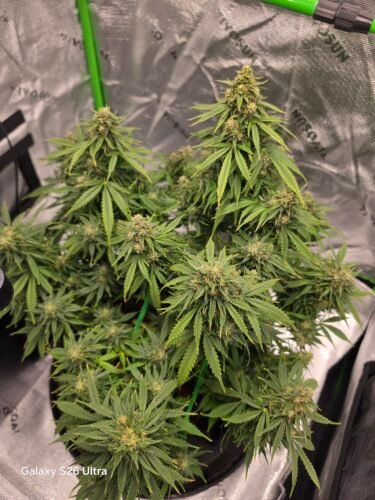
All my purchases here are awesome fast professional top product. I have 100%strike rate can't ask for more. I highly recommend this seller can't go wr...More
All my purchases here are awesome fast professional top product. I have 100%strike rate can't ask for more. I highly recommend this seller can't go wrong
Auto Cocopopo Feminized
These all sprouted with no issues and grew into monsters under 1000w LEDs.
I have purchased hundreds of seeds and almost all Auto & Fem strains f...More
These all sprouted with no issues and grew into monsters under 1000w LEDs.
I have purchased hundreds of seeds and almost all Auto & Fem strains from CGA, all have arrived and they have all sprouted with no issues. Using the wet paper towel in a zip lock bag germination.
I highly recommend them. Massive bonus that they are local too!
I have purchased hundreds of seeds and almost all Auto & Fem strains from CGA, all have arrived and they have all sprouted with no issues. Using the wet paper towel in a zip lock bag germination.
I highly recommend them. Massive bonus that they are local too!
Reputable and prompt delivery
Great range to select from, discrete and fast shipping, excellent germination success
very happy with both purchases 100% strike rate on germination keep up the great service cheers
Awesome
Great product
top service top products will use again
Garry
Order delivered promptly and good germination rate.
Lovely strain
Try these, you won't be disappointed, had been sticking with all the standard seeds, first time trying and am now a convert
Garry
Great delivery and good quality seeds
seeds and germination.
Seeds arrived in good time. No issues with postage. Germinated the seeds in a jar lid with a few drops of peroxide. All seeds had a tail by three days...More
Seeds arrived in good time. No issues with postage. Germinated the seeds in a jar lid with a few drops of peroxide. All seeds had a tail by three days. Sadly I used a seed raising mix that was full of fungas nats. Poor babies did not survive. Had 5 AK47's left Bought some peat blocks from bunnings those AK's are growing beautifully. Two will be inside three are going outside in my garden bed. happy with all CG seeds and communication. Price is good as well. Sorry no pics as I am an old fella who is not so good with new technology. Peace.
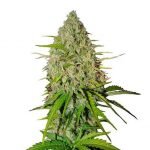
Fave strain
Love this one, strong effects and very smelly plant. Thanks cg
Very happy
Top quality, fast shipping. 100 percent germ rate with paper towel in glad bag, left on laptop fan for warmth
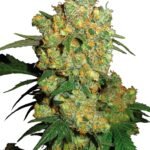
Good stuff
Reliable!
Best services for this product. Always delivered. Always discreet. I’ve brought 5-6 times and every time, arrived. Quality, as advertised and a great ...More
Best services for this product. Always delivered. Always discreet. I’ve brought 5-6 times and every time, arrived. Quality, as advertised and a great selection to choose from! 100% recommend CG Australia!
Northern lights are starting well. Healthy looking seedlings coming up quickly so I know they're going to be good
Bruce Banner
Arrived in four working days
Very happy with all service provided
Very happy with all service provided
Great product
Product, is awesome, no fuse dealing with this business, always arrive within a few days, every seed germinate, and female as stated, very pleased, ...More
Product, is awesome, no fuse dealing with this business, always arrive within a few days, every seed germinate, and female as stated, very pleased, will continue to purchase, cheers Tony.
Very good. Happy & satisfied
All good. Seeds germinated.
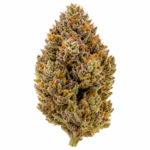
Straight to the pool room.
Great service.
Souveniers dispatched the day after my order.
Accidently dropped one into potting mix and perlite. It grew wings.
Souveniers dispatched the day after my order.
Accidently dropped one into potting mix and perlite. It grew wings.

Great seeds 8 of ten striked going strong.
Thanks cg going good so far, Bruce Banner and northern lights autos growing in the back ground of my hot house very happy looking forward to a harvest
Very happy Ive never had a problem. Keep up the good work


After 6 weeks.
+1
Excellent company to deal with in respect to product ,quality and communication. My purchase came quickly after payment. Germination was 100%. Can’t r...More
Excellent company to deal with in respect to product ,quality and communication. My purchase came quickly after payment. Germination was 100%. Can’t recommend more highly. Have referred CG Australia to friends and family. In short reputable company with an excellent product.
great site and merchandise 10/10
Excellent service excellent product
Wow! Great service all seeds geminated so far and showing great vigour.
Seeds arrive promptly. Haven't tried this strain yet, alll seeds germinated , hoping for monsters
Grew it last year, going again this year. Got @ 750g dried of one plant
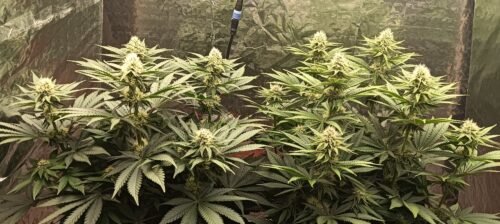
Quality seed. I brought seeds on numerous occasions 100% germination rate. I have brought from other sites that weren't that good. Beautiful buds. Liv...More
Quality seed. I brought seeds on numerous occasions 100% germination rate. I have brought from other sites that weren't that good. Beautiful buds. Live in W.A Perth seeds came with in 3 days. Best site for seeds in Australia.
they will always have my business
they will always have my business
excellent
Great service, 10/10 on germination and all female.
Very nice
Very quick and easy a very nice aroma and taste well done
Mimosa
Excellent
I had a great deal and arrived on time
Great!
Great, quick and discreet 🙂
Never grown before and have had great results, grew in a pot near my pool, seems too easy.

Great product, never grown before and had every seed produce well.
Seeds
Happy with the seeds I purchased great germination rate
CG always comes through, highly reccomend
Arrived with no problems
Thanks again postage was quick and no hassles
Good quality seeds.
All germinated and a growing well.
Would recommend CG Australia.
All germinated and a growing well.
Would recommend CG Australia.

legends
water melon jam . looking the goods early days atm
this site is the real deal. great service
this site is the real deal. great service